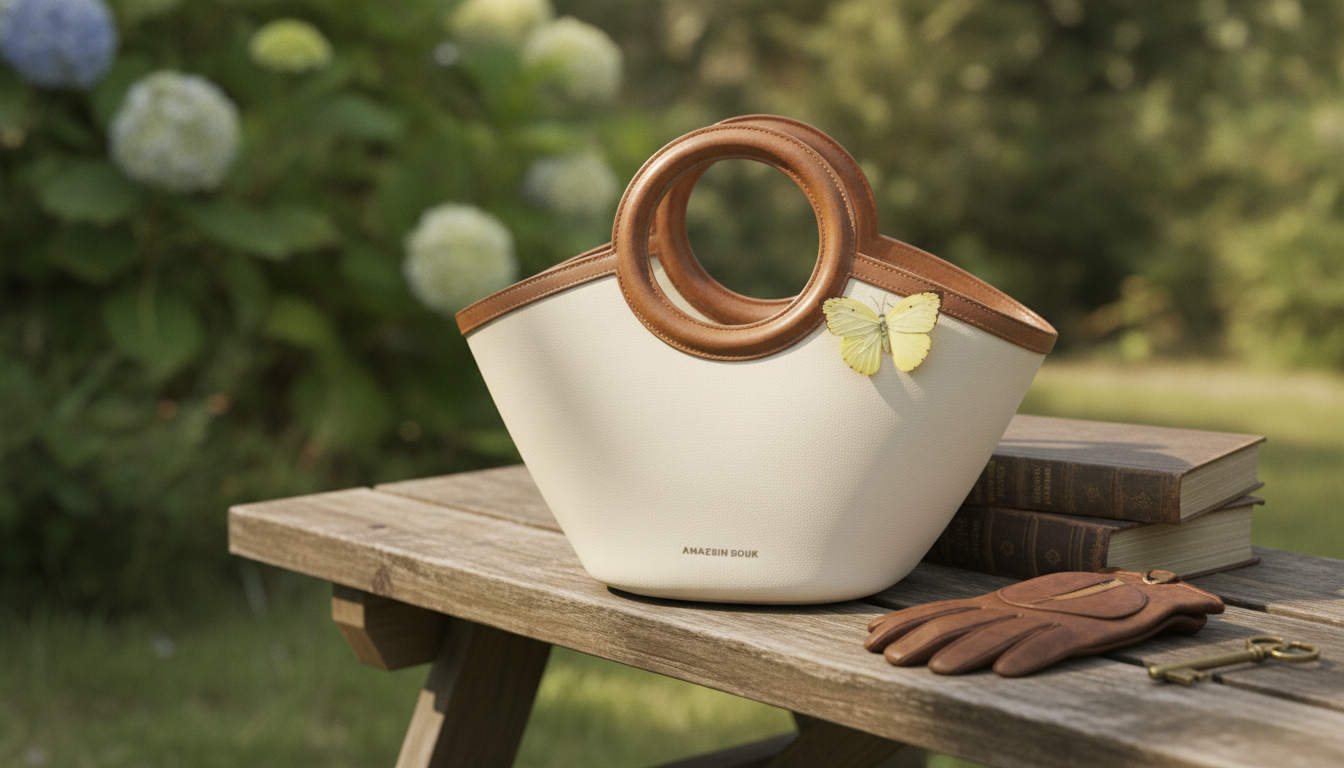
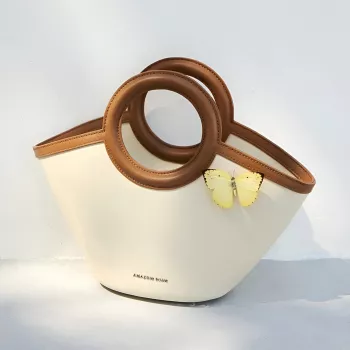
A shell-shaped crossbody in vintage-style leather balances structure and softness for daily wear. The curved silhouette keeps essentials close, while the hands-free strap makes it practical for commuting, travel days, and weekend plans. For anyone who likes a compact bag that still reads polished, the shell profile offers an easy “grab-and-go” upgrade without feeling fussy.
The shell silhouette has a quiet practicality that shows up the moment it’s on your body. Unlike boxy bags that can bump into doorframes or catch on outerwear, a rounded profile tends to move with you.
Vintage-finish leather is popular for a reason: it gets better when it looks a little lived-in. With regular use, the surface can deepen in tone and develop subtle sheen in high-contact areas, creating a more personalized look over time.
| Time & Use | What You May Notice | Simple Care Habit |
|---|---|---|
| First weeks | Slight softening at stress points; subtle creasing | Avoid overstuffing; store with light shape support |
| 1–3 months | Deeper tone in frequently handled areas | Wipe with a dry or slightly damp cloth after outings |
| 6+ months | More pronounced patina; smoother sheen in high-contact zones | Condition occasionally and keep away from direct heat |
For additional leather cleaning and conditioning guidance, reputable overviews from Leather Honey and wikiHow’s leather care guide can be helpful starting points.
A crossbody bag earns its place when it feels effortless. Strap length is the difference between a bag that stays put and one that slides, swings, or forces awkward reaching.
If the bag is bouncing when walking, shorten the strap slightly or reposition it so it sits closer to the front of the hip. If it feels like it’s tugging at the shoulder, lighten what’s inside and aim for a higher placement.
The shell shape shines when the contents match its curved geometry. Think small, flexible items rather than bulky rectangles. This makes the bag easier to zip and helps maintain the clean silhouette.
A simple rule: if it creates hard corners inside the bag, swap it for a slimmer version. The result looks neater from the outside and feels lighter on the strap.
Vintage leather tones act like a styling bridge: they warm up cool neutrals, soften sharp tailoring, and add depth to casual basics. The shell silhouette also reads intentional, so it can elevate an outfit without additional accessories.
For a streamlined look, coordinate hardware tones (buckles, watches, jewelry) with the bag’s details. When the bag is the standout piece, simple layers—tee, blazer, straight-leg denim—tend to look especially refined.
Aim for the bag to rest at the high hip to hip area so it’s easy to open without lifting it. Adjust the strap so the bag feels stable (not bouncing), and lengthen it slightly over coats to keep the same comfortable placement.
Blot gently with a soft cloth and let it air-dry naturally away from direct heat or sun. Lightly reshape it while drying (without overstuffing), and condition later only if the leather feels dry once fully dried.
Most carry daily essentials like a phone, slim wallet or cardholder, keys, lip balm, and travel-size sanitizer. Curved interiors usually work best with smaller pouches and flexible items, so keep bulky cases to a minimum.




Leave a comment