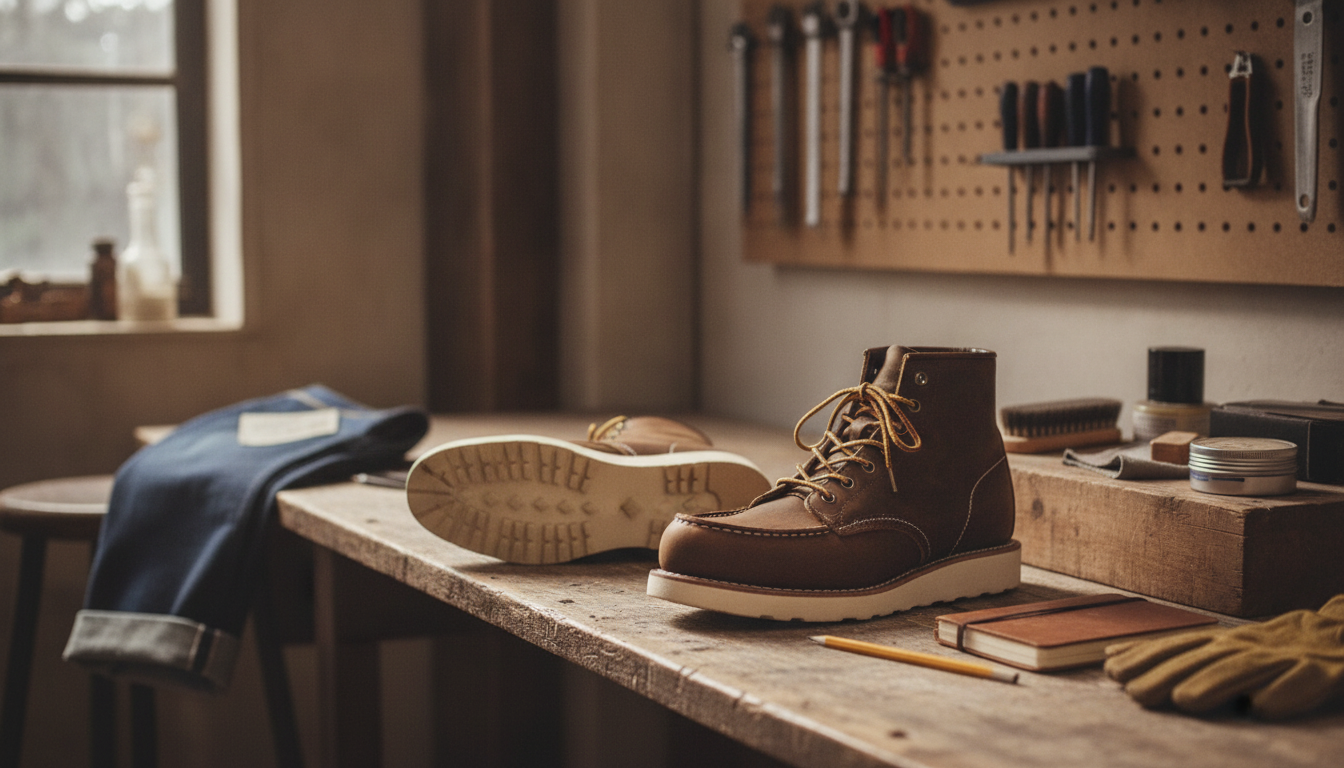
Vintage-style leather work boots blend old-school design with real-world practicality for long hours on your feet. A good pair should feel planted when you’re carrying weight, resist scuffs and abrasion, and break in to a comfortable, foot-shaped fit—without losing that classic, off-duty appeal that looks right with jeans or workwear.
“Vintage” isn’t just about color or a distressed finish. The best heritage-inspired work boots pull from time-tested construction cues while still meeting modern expectations for comfort and daily performance.
If you need protective features for jobsite compliance, it’s also worth checking whether a boot is rated for a safety toe standard (for example, ASTM F2413 outlines performance requirements for protective toe footwear). See the official standard details at ASTM F2413.
Material choices determine how the boot ages, how it handles sweat and heat, and whether it stays dependable after months of tightening laces and flexing through kneels and steps.
| Component | What to look for | Why it helps |
|---|---|---|
| Leather upper | Even grain, minimal loose fibers, consistent finish | Better wear resistance and cleaner aging |
| Stitching | Straight lines, tight spacing, no missed stitches | Improves seam strength under flex |
| Hardware | Secure rivets/eyelets, smooth hooks | Reduces lace wear and failure points |
| Heel counter | Firm structure with comfortable padding | Stability and reduced heel slip |
| Insole/footbed | Supportive shape with cushioning | Less fatigue during long standing/walking |
Work boots can feel tough on day one, but they shouldn’t feel punishing. The goal is secure support with enough room for natural movement.
If you’re selecting footwear as part of jobsite PPE, OSHA’s guidance can help frame what matters for protection and hazard matching: OSHA — Personal Protective Equipment (PPE).
The outsole is where “looks” meet the ground. A vintage-style boot can still have traction that fits modern surfaces—shop floors, concrete, gravel, or mixed terrain.
For a broader view of how slip prevention relates to footwear choices and floor conditions, see CDC/NIOSH — Slip, Trip, and Fall Prevention.
A few quick checks can reveal a lot about how a boot will hold up after weeks of flexing, grit, and daily mileage.
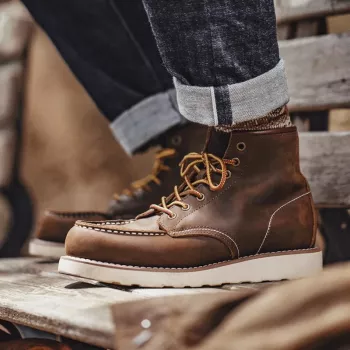
If you want the heritage look with rugged everyday practicality, Men’s Vintage Leather Work Boots are available now. Check the product page for current sizing, color options, and construction specifics before ordering.
They should feel secure at the heel with enough toe room to wiggle and spread naturally, plus a slight snugness that eases as the leather breaks in. Try them with your usual work socks, and avoid any fit that causes pain, pinching, or numbness.
Most pairs take several wears to a couple of weeks, depending on leather thickness and how long you wear them each day. Gradual wear, smart lacing, and addressing hot spots early helps reduce discomfort without damaging the boot.
Air-dry them away from heaters or direct sunlight, remove the insoles, loosen the laces, and stuff the boots with paper to help absorb moisture. Once fully dry, a light conditioner can help restore suppleness if the leather feels stiff.




Leave a comment