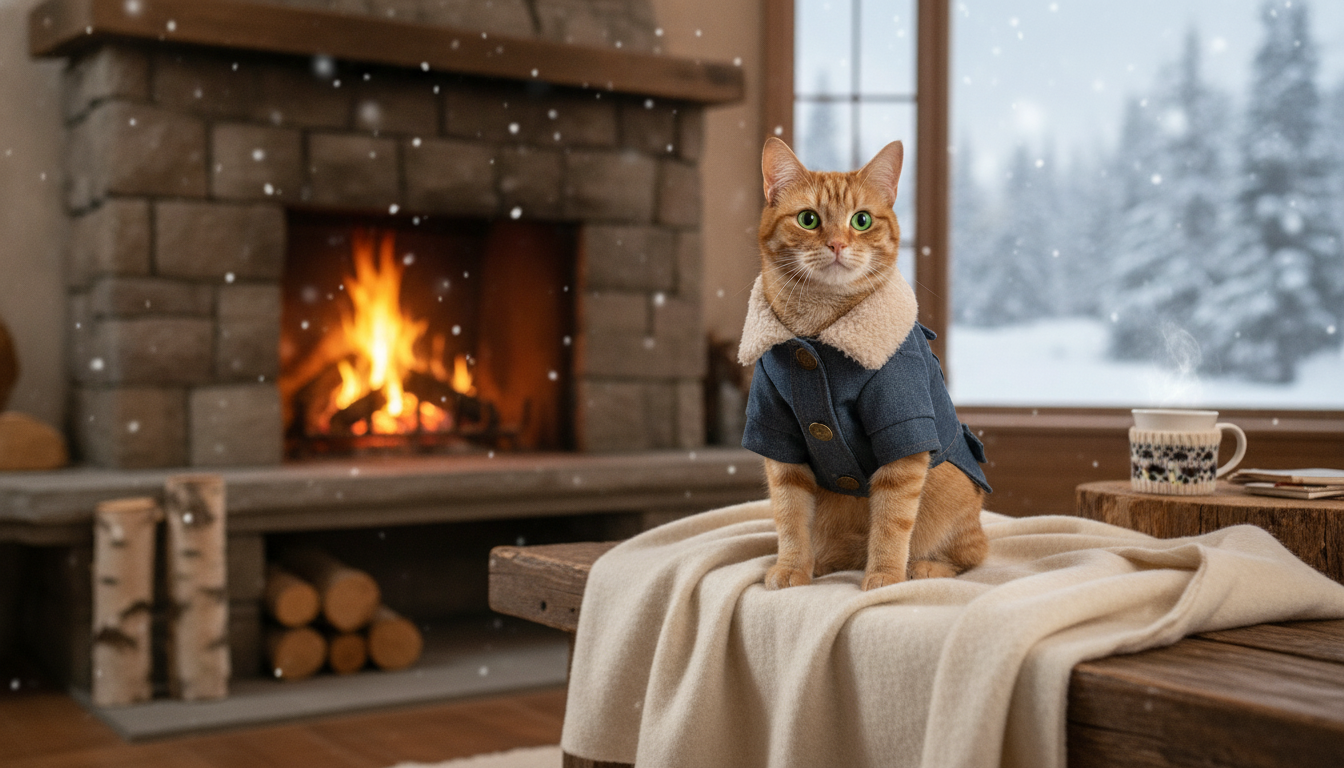
Cold walks and drafty rooms can be tough on small dogs, short-haired breeds, seniors, and many indoor cats. A fleece coat adds an extra layer of warmth without restricting movement, helping pets stay comfortable during winter routines. This cowboy-inspired jacket pairs cozy insulation with a playful look that fits right in for everyday wear, quick potty breaks, and chilly travel days.
Fleece is a go-to cold-weather material because it’s soft, insulating, and comfortable against fur. For pets that cool down quickly, a well-fitted fleece coat can make winter outings feel less stressful and more routine.
For general cold-weather safety reminders—especially during sudden temperature drops—reliable references like the American Veterinary Medical Association (AVMA) and the ASPCA offer practical guidance on winter hazards.
The best winter coat is the one your pet can move in naturally. Before choosing a size, take a few quick measurements and aim for a secure fit that doesn’t pinch or shift.
| Checkpoint | What to look for | Fix if needed |
|---|---|---|
| Neck | Comfortable, not pressing into throat | Loosen/resize to avoid coughing or gagging |
| Chest | Two-finger gap; no tight banding | Size up if breathing looks labored or coat shifts forward |
| Shoulders/Armpits | No rubbing when walking | Adjust positioning or choose a different size |
| Back length | Covers torso without blocking tail | Try alternate size if coat rides up |
| Movement | Normal stride, no hesitation | Remove and reassess fit immediately |
A fleece coat is most helpful when you see clear “I’m cold” signals. Some pets are stoic, so it also helps to look for subtle behavior changes and to consider breed, coat type, and body condition.
If temperatures are near freezing and wind is strong, watch for signs of cold stress (lifting paws, slowing down, anxious or hunched posture). The American Kennel Club (AKC) also recommends keeping outings shorter and staying alert to changes in behavior during winter walks.
Winter gear should feel like a gentle layer—not a constraint. The goal is warmth across the core (chest and torso) while keeping the neck, shoulders, and belly comfortable for walking and bathroom breaks.
Fleece stays warm because it holds loft (tiny air pockets that insulate). A little routine maintenance helps it stay soft and effective throughout the season.
Measure chest girth at the widest point, plus neck circumference and back length from the base of the neck to the tail base. Prioritize a comfortable chest fit (a two-finger gap is a good check), and for cats confirm the coat doesn’t interfere with jumping, grooming, or litter box posture.
Yes, especially in cooler homes or for pets that get cold easily, but monitor comfort closely. Remove the coat if your pet pants, seems restless, or repeatedly seeks cooler surfaces.
It’s often enough for mild-to-cold weather, but freezing temperatures and wind may require shorter outings and, in wet conditions, layering under a weather-resistant shell. Watch for cold-stress signs and consult a veterinarian for seniors or medically vulnerable pets.





Leave a comment