
When temperatures drop and mornings turn crisp, a reliable coat makes daily routines easier—from school runs to weekend walks. A fleece-lined layer adds cozy insulation without feeling bulky, while a durable outer helps handle wind, light rain, and playground wear. This guide breaks down what matters most for comfort, warmth, and easy care through autumn and winter.
A coat earns its place in the closet when it’s warm enough for cold mornings, comfortable enough to wear all day, and practical enough for real life. Here are the features that tend to matter most for kids and caregivers alike:
| Feature | Why it helps | What to look for |
|---|---|---|
| Fleece lining | Adds warmth and softness | Even lining through body and sleeves for all-around comfort |
| Wind protection | Reduces chill on breezy days | Outer fabric that feels substantial; snug cuffs or closures |
| Layering room | Extends use across seasons | Enough space for a sweater without restricting arms |
| Secure closure | Locks in warmth | Smooth zipper; optional snap/overlay for extra coverage |
| Pockets | Hands stay warmer; holds small items | Pockets that sit naturally and close securely if possible |
| Easy care | Keeps the coat wearable all season | Clear washing guidance; materials that dry reasonably fast |
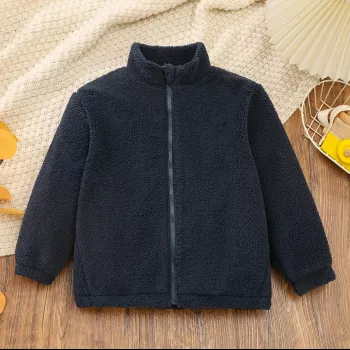
If you’re shopping for a dependable cold-weather layer that can cover a long stretch of the school year, the Warm Deep Blue Fleece-Lined Boys Coat for Autumn and Winter is built around the kind of everyday comfort that helps kids actually keep it on.
For families that like to keep kids busy indoors when the weather turns harsh, pairing cold-weather essentials with a small activity can make winter days feel easier. The Children’s Ice Cream Stacking Game is a simple option for travel downtime or after-school play when it’s too cold to stay outside for long.
Warmth depends on fit as much as fabric. A coat that’s too tight restricts movement (and makes layering tough), while one that’s excessively roomy can let cold air circulate inside.
One of the easiest ways to get more mileage out of a fleece-lined coat is to treat it as a “system”: comfortable base layer + adjustable mid-layer + coat. That approach also helps prevent overheating when kids go from cold outdoors to warm classrooms.
For additional cold-weather guidance, the American Academy of Pediatrics winter safety tips and the CDC overview of cold stress offer helpful reminders about exposure, wind chill, and staying safe outdoors.
A fleece lining adds noticeable warmth and comfort, but winter performance also depends on temperature, wind, and how active your child is. On colder days, layering a thermal top or sweater underneath usually makes a fleece-lined coat feel much warmer.
Check shoulder alignment first, then test arm movement while your child wears a mid-layer. Sleeves should cover the wrists, and the coat should zip comfortably without pulling tight or leaving big gaps that let cold air in.
Very bulky coats can interfere with proper harness fit. A safer approach is using thinner layers in the seat and placing the coat over the buckled harness for warmth after your child is secured, following the car seat manufacturer’s guidance.






Leave a comment