Seasonal bedding and off-season clothes can eat up valuable closet space and pick up dust, stale odors, or moisture over time. A large-capacity, foldable storage bag helps keep bulky textiles contained in a cleaner footprint, protects fabrics between uses, and makes it simpler to stack, slide, and retrieve items when you’re rotating wardrobes, organizing a dorm, or packing ahead of a move.
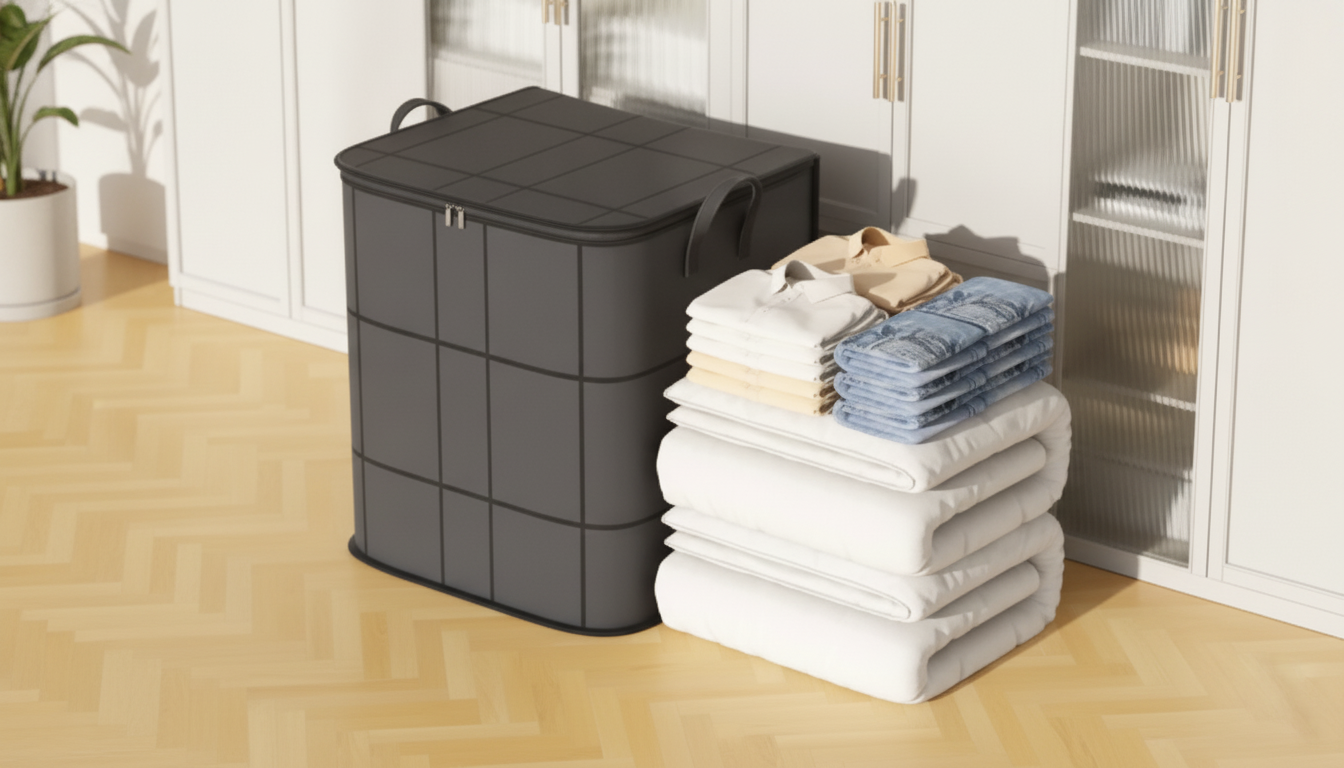
For an easy, space-conscious solution, consider the Large Capacity Foldable Clothing Storage Bag – Quilt Dustproof Organizer, designed to corral lofted quilts, comforters, and clothing in one tidy, dust-shielded place.
What This Storage Bag Helps Solve
- Reduces clutter by consolidating bulky textiles like quilts, comforters, blankets, and sweaters into a single container.
- Creates cleaner storage by shielding fabrics from dust and surface debris.
- Improves accessibility with a dedicated place for seasonal items, guest bedding, or spare linens.
- Supports space planning in small apartments, dorm rooms, and shared closets.
Instead of spreading bedding across multiple shelves or compressing sweaters into overstuffed drawers, a soft-sided organizer keeps categories together—so “guest bedding” or “winter layers” becomes a single grab-and-go unit.
Key Features That Matter for Clothing and Quilts
- Large-capacity design suitable for thick textiles that don’t fit well in standard bins.
- Foldable construction for compact storage when not in use.
- Dustproof cover to keep stored fabrics cleaner between uses.
- Soft-sided profile that can fit on shelves, under beds, or inside wardrobes where rigid boxes don’t.
Feature-to-Use Guide
| Feature |
What it helps with |
Common items to store |
| Large capacity |
Holds bulky, lofted items without overstuffing |
Quilts, comforters, thick blankets |
| Foldable body |
Stores flat when empty; convenient for seasonal rotation |
Spare linens, guest bedding |
| Dustproof enclosure |
Keeps fabrics cleaner and reduces surface dust buildup |
Winter coats, sweaters, throws |
| Soft-sided shape |
Fits tight spaces and stacks more flexibly |
Pillows, towels, mixed clothing |
Where It Works Best at Home
- Closets and wardrobes: Group items by season (winter layers, summer bedding) for quick swaps.
- Under-bed storage: Reserve space for out-of-season quilts and extra pillow inserts.
- Linen closets: Keep guest sets together (sheet set + light blanket) for faster bed changes.
- Moving and travel prep: Bundle textiles to reduce loose piles and protect from dust during transit.
Soft storage shines in awkward gaps where hard bins waste space—like the top shelf above a closet rod, narrow wardrobe bases, or the shallow clearance under many bed frames.
How to Pack It for Better Shape and Easier Retrieval
- Start with clean, fully dry textiles to reduce odor risk during long storage periods.
- Fold items to a consistent width so stacks stay stable and corners don’t bulge.
- Place heavier quilts or comforters at the bottom; lighter clothing on top to prevent deep creases.
- Avoid overpacking—leave a little room so zippers/closures aren’t under constant tension.
- Label by season or room (for example: “Guest Room – Winter” or “Kids – Next Size Up”).
A practical method is to build the bag in “layers”: a base of the heaviest bedding, then softer items that can fill small gaps (like throws or sweatshirts), and finally anything you’ll want first when you unzip it again—such as a sheet set or frequently used sweater.
Keeping Stored Fabrics Fresh and Protected
- Choose a cool, dry storage spot; avoid areas with frequent humidity swings when possible.
- If storing in basements or near exterior walls, add moisture control nearby (not inside delicate fabrics) and check periodically.
- Air out long-stored items before first use—especially bedding that has been sealed for months.
- For delicate materials, use breathable inner layers (like cotton sheets) between items to reduce friction and snagging.
Moisture is often the hidden issue behind musty smells and fabric damage. For general guidance on managing damp indoor conditions, see the EPA’s overview on mold and moisture and the CDC’s mold information. Keeping the storage area dry and stable goes a long way toward protecting what’s inside.
Simple Organization Setups Using Multiple Bags
- Seasonal rotation set: One bag for cold-weather bedding, one for warm-weather bedding.
- Room-based set: Separate bags per room (primary, kids, guest) to streamline laundering and changes.
- Size-based set for growing families: Store “next size” clothing in labeled bags for easy hand-me-down planning.
- Event-based set: Keep rarely used items together (spare blankets for visitors, holiday table linens, camping sleep gear).
Care and Maintenance
Useful Add-Ons for Dorms, Moving Days, and Shared Spaces
FAQ
Can quilts and comforters be stored long-term in a dustproof bag?
Yes, as long as items are clean and completely dry before packing. Store the bag in a cool, dry place, and air out bedding after long storage before putting it back on the bed.
Is it better to store clothes in plastic bins or soft storage bags?
Soft storage bags are often easier to fit into tight spaces like wardrobes and under beds, and they’re simpler to fold away when empty. Plastic bins can be better for stacking heavy loads, so the best choice depends on your space and how often you need access.
How can musty smells be prevented during storage?
Pack only fully dry textiles, avoid humid storage areas when possible, and ventilate items after long periods in storage. Keeping the storage area’s moisture under control is one of the most effective ways to reduce odor buildup.
Recommended for you




Leave a comment