Electric grinding for baby food: simple textures, less guesswork
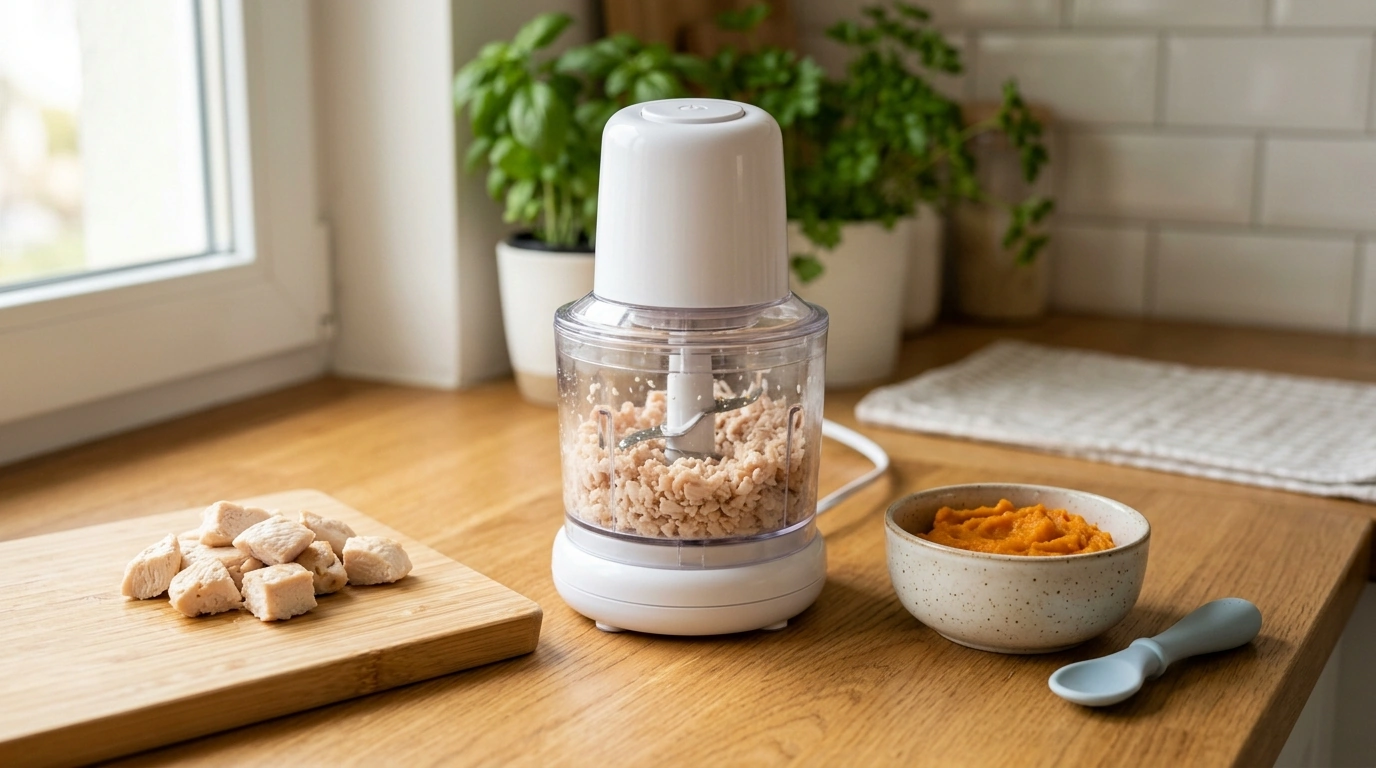
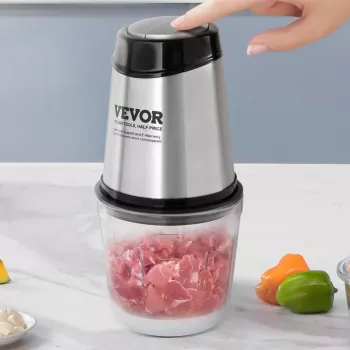
When you’re building a baby-food routine—or you just prefer knowing exactly what’s in the bowl—texture becomes the whole game. Our team likes a compact electric grinder for this job because you can move from a gentle mince to a finer grind quickly, then finish with a mash or a little liquid to match your child’s stage. With stainless steel blades and two speeds, the Electric Meat Grinder with Stainless Steel Blades & 2 Speeds for Baby Food helps you prep small batches without turning feeding time into an all-day project.
Why this grinder fits baby-food prep
- Two-speed control for stage-friendly textures: Use a gentler setting when you want a soft mince you can easily mash smoother, then switch up when you need a more uniform grind.
- Stainless steel blades for repeatable results: For frequent batch prep, durable blades help keep cutting performance steady over time.
- Useful beyond meat: Soft-cooked poultry, fully deboned fish, cooked legumes, and tender vegetables can all be processed for mix-ins and spoonable blends.
- Made for small-batch routines: Prep a few portions, portion and chill, then rotate fridge/freezer servings through the week.
Two speeds, one goal: better texture control
Baby food doesn’t need to be complicated, but it does need to be consistent. Two speeds let you slow down when foods are very soft (so you don’t overshoot the texture you want) and speed up when you’re trying to get a finer, more even result for mixing or freezing.
- Speed 1 (lower): Great when you want control. Aim for a moist mince you can thin with cooking liquid, formula, or breast milk (as appropriate) and mash to the right consistency.
- Speed 2 (higher): Helpful when you’re aiming for a finer grind to blend into purées, shape into tiny patties, or make a smoother spoonable base.
- Use short bursts: Pulse, stop, and check often. Baby-food textures can go from “just right” to “too processed” quickly.
- For extra-smooth results: Grind first, then finish by mashing or blending with a safe liquid to reach the consistency recommended for your child’s stage.
Speed guide for common baby-food textures
| Speed |
Best for |
Texture result |
Quick tip |
| Speed 1 (lower) |
Soft cooked chicken/turkey, tender beef, cooked lentils |
Moist mince that’s easy to mash smoother |
Add a spoon of cooking liquid and pulse in short bursts |
| Speed 2 (higher) |
Finer mince for mixing into purées, smoother bases |
More uniform grind |
Stop and scrape down between bursts for even results |
How to prep ingredients for safe, consistent grinding
Even a good grinder works best when your ingredients are prepped with intention. A few small steps help you get smoother textures and reduce frustrating clogs.
- Cook proteins thoroughly first: For baby food, fully cook meat, poultry, fish, and eggs, then cool slightly so handling is safer and easier.
- Trim for a smoother bite: Remove tough connective tissue, skin, cartilage, and any bones to avoid stringy or uneven texture.
- Cut into small, even pieces: Uniform chunks feed more consistently into the blades and help prevent jams.
- Work in small batches: You’ll get a more even grind, and it’s easier to stop at the texture you want.
- Fish needs extra attention: Debone carefully before and after cooking; flake and inspect, then grind.
Everyday baby-food combos that freeze well
Once you have a dependable grind, weekly variety gets much easier. These combinations tend to portion and thaw nicely:
- Chicken + sweet potato: Grind chicken, then mash with cooked sweet potato and a little warm water or broth for a spoonable blend.
- Turkey + zucchini: Process tender turkey with cooked zucchini for a mild, easy texture.
- Beef + carrots: Grind well-cooked beef, then combine with soft carrots and cooking liquid to smooth it out.
- Lentil + pumpkin: Process cooked lentils and pumpkin for a gentle plant-based option with a naturally soft texture.
- Portioning tip: Label servings with the date and ingredients to help you track freshness and potential allergens (as guided by your pediatrician).
Cleaning and hygiene habits for baby-food tools
Clean tools matter just as much as good ingredients. A simple routine keeps flavors clean and helps reduce food-safety risks.
For practical, science-based guidance, you can also review the USDA FSIS leftovers and food safety page and the CDC food safety guidance for young children.
A simple routine for weekly meal prep
In-stock picks from our store
FAQ
Which speed is better for baby food?
Use the lower speed when you want maximum control and a moist mince you can mash smoother, then switch to the higher speed when you need a finer, more uniform grind. Pulse in short bursts and check often, then thin with cooking liquid (or other appropriate liquids) to match your child’s stage.
Can this grinder be used for foods other than meat?
Yes—soft cooked foods commonly used in baby meals like poultry, tender vegetables, cooked legumes, and fully deboned fish can be processed in small batches. Cut everything into small, even pieces so the grind stays consistent.
How should homemade baby food be stored after grinding?
Portion the food right away, cool it quickly, and refrigerate promptly; freeze extra servings for later and label with dates. Reheat only what you plan to serve to support safer handling and better quality.
Recommended for you





Leave a comment