
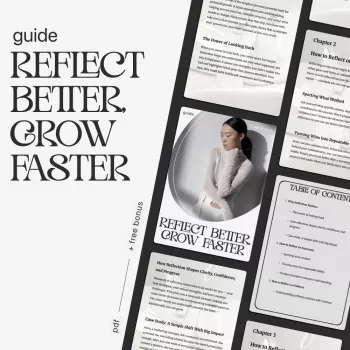
Strong friendships aren’t built on luck—they’re built on repeatable habits. Our digital download guide is designed for anyone who wants more ease, honesty, and steadiness in their friendships: fewer guessing games, clearer boundaries, and more of the conversations that make a connection feel safe and real. You can use it as a reset after a rough season, a confidence boost before a difficult talk, or a simple routine to keep good friendships growing.
Healthy friendships tend to feel calm—not because life is calm, but because your connection has reliable patterns. Here’s what that looks like in real life:
The guide is built to move you from “I know what I should say” to “I actually said it—calmly.” Our team recommends using it like a weekly practice, not a one-time read.
If you want to get started right away, our Healthy Friendship Habits digital download guide is a simple way to keep these tools close when you need them.
Busyness doesn’t have to turn into distance. The difference is usually communication that’s clear enough to prevent spirals.
For a deeper look at why social connection supports well-being, you can also explore resources from the American Psychological Association (APA).
Boundaries don’t have to be harsh. A boundary is simply a promise about what happens next—clear, calm, and consistent—so you can stay connected without building resentment.
| Habit | 2-minute version | When to use | Example line |
|---|---|---|---|
| Reach out with warmth | Send one honest check-in | When distance is creeping in | “Thinking of you—how are you really doing this week?” |
| Confirm plans clearly | Restate time/place | When plans feel vague | “Just confirming: Friday at 6 at the cafe?” |
| Name your capacity | One sentence truth | During busy or stressful weeks | “I’m low-energy this week; can we do a shorter catch-up?” |
| Repair quickly | Acknowledge + next step | After tension or misunderstandings | “I didn’t like how that landed—can we reset?” |
If stress is affecting how you show up in relationships, practical coping tools can help—Mayo Clinic’s stress resources are a solid starting point: Mayo Clinic — Stress management and relationships.
When you’re ready, the Healthy Friendship Habits digital download guide is an easy, practical tool to keep on hand—especially for weeks when you want to show up better but don’t have extra energy to “figure out what to say.”
It works for both: you can strengthen healthy patterns with micro-habits and check-ins, and you can use the boundary and repair tools when things feel strained. Choose the section that matches what’s happening right now and start with one small step.
Some discomfort is normal when a new pattern starts, especially if you’ve been overextending. Keep boundaries calm and specific, offer an alternative when you can, and stay consistent—respectful friends usually adjust over time, and repeated disrespect is important information.
Small shifts can reduce tension immediately (like making a clean request or clarifying plans), while deeper trust typically builds over weeks. Try the 7-day reset, then repeat one habit each week to make the change stick.






Leave a comment