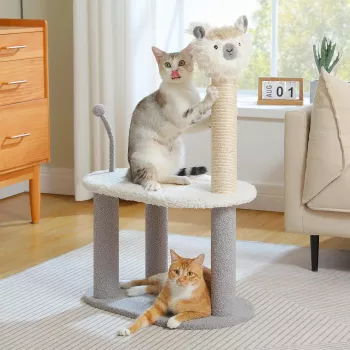
Indoor cats do best when they can climb, scratch, perch, and play on purpose—not just wherever there’s room. In smaller homes, that usually means setting up a few smart “cat zones” that fit your layout and your routine. A small cat tree that combines a sisal scratching post with a compact play area is one of the easiest ways to give your cat a daily outlet, while steering scratching away from furniture and door frames.
Scratching is normal, and so are energy spikes. When your cat has a consistent place to stretch, mark, and burn off steam, you’re not just protecting your couch—you’re building a predictable, calming rhythm. For deeper background on why cats scratch and how to manage it, the ASPCA and International Cat Care both have excellent guidance on scratching and enrichment.
If you want a broader overview of indoor-cat enrichment and daily needs, the Humane Society of the United States is another solid resource for behavior basics and prevention.
| Home or cat situation | What to do | Why it helps |
|---|---|---|
| Scratching on sofa arms | Place the tree near the sofa and reward use | Redirection works best when the approved scratch is close to the problem spot |
| High energy bursts at night | Add two short play sessions near the tree (morning/evening) | Predictable activity can reduce midnight zoomies and restlessness |
| Shy or cautious cat | Start in a quieter corner, then move gradually | Lower stress increases exploration and adoption of new items |
| Small living space | Use the tree as the main “cat zone” in one room | Vertical enrichment adds value without sacrificing floor space |
| Multi-cat home | Consider a second scratch spot in another room | Extra resources reduce competition and stress |
Start by placing the post close to the couch, then use short play sessions and immediate rewards when your cat touches or scratches it. If your cat scratches the couch, calmly redirect to the post and reward right away; consistent placement and positive reinforcement work far better than punishment.
Put it near a window for easy viewing, near your cat’s favorite resting spot, or close to where unwanted scratching happens so redirection is effortless. Choose a quieter corner for shy cats or a more social area for cats that like being near you, and keep the approach path clear.
For many cats, a small cat tree can serve as a dependable daily enrichment base for scratching, stretching, and short play breaks. If you have multiple cats or a very active climber, adding a second scratcher or another perch in a different room can prevent crowding and boost use.



Leave a comment