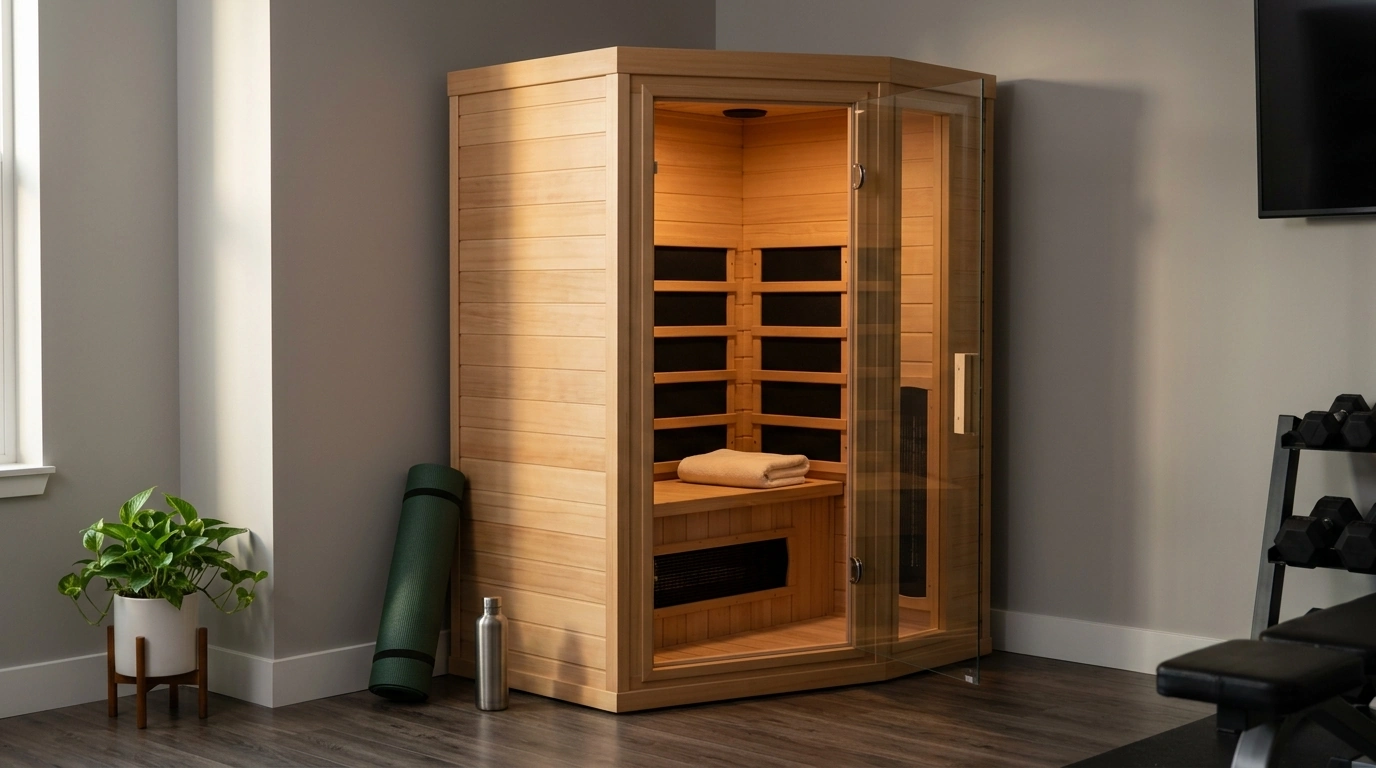
A one-person infrared sauna brings gentle, targeted heat into a compact footprint—ideal for apartments, home gyms, and quiet recovery routines. The format is simple: step in, settle into a comfortable seat, and let radiant warmth do the work without turning your entire room into a hot box. Below are practical notes on what to expect, how to set one up safely, and a quick look at an in-stock option available now.
Single-person cabins are designed for solo sessions without dedicating a full room or losing a large corner of the house. That smaller footprint often makes the habit easier to keep: less space to manage, fewer surfaces to wipe down, and a setup that can stay “ready” for short, consistent sessions.
The experience also tends to feel more personal. With less empty air to heat, warmth can feel steadier, and it’s easier to dial in a temperature preference that matches your comfort level. Many people like using a one-person unit on recovery days after workouts, as part of an evening wind-down routine, or as a regular wellness ritual when schedules are tight.
Infrared saunas use emitters that deliver radiant heat, which warms the body more directly. Traditional saunas mainly heat the surrounding air (and the hot surfaces in the room), which then transfers heat to you. Because of that difference, many users find infrared comfortable at lower ambient temperatures than classic hot-rock or steam-style rooms.
Humidity is typically lower in infrared setups, which can feel less stifling for some people. Even so, session planning still matters: hydration, timing, and a calm cooldown routine apply regardless of sauna type. For a balanced view of sauna safety considerations, see the Mayo Clinic overview on saunas and the Cleveland Clinic discussion of infrared sauna benefits.
| Feature | Infrared sauna | Traditional sauna |
|---|---|---|
| How heat is delivered | Radiant heat from infrared emitters | Hot air from heater and heated surfaces |
| Typical feel | Warms the body directly; air can feel milder | Hot ambient air; often higher perceived heat |
| Humidity | Usually dry | Dry (Finnish-style) to steamy (if water is used) |
| Warm-up | Often faster for small cabins | Varies; can take longer depending on heater and room size |
| Space needs | Compact options common | Often larger rooms/clearances |
Before ordering, a few practical checks prevent most setup headaches:
Small routines make the biggest difference in how enjoyable (and consistent) sauna use becomes.
| Step | What to do | Why it helps |
|---|---|---|
| Pre-session | Hydrate and remove lotions/oils | Supports safer sweating and easier cleanup |
| Warm-up | Preheat briefly | More comfortable start and steadier session |
| During | Sit comfortably; breathe calmly | Improves relaxation and tolerance |
| After | Cool down and rehydrate | Supports recovery and reduces dizziness risk |
| Cleanup | Wipe interior; air out | Helps prevent odor and material wear |
If the goal is a dedicated personal heat-therapy space without upgrading to a multi-person cabin, the Infrared Sauna for One Person is currently in stock. It’s well-suited for individuals who want privacy, consistency, and a compact home footprint.
| Item | Price | Availability |
|---|---|---|
| Infrared Sauna for One Person | 3024.65 USD | In stock |
Start with short sessions and increase gradually based on comfort. Hydrate before and after, and end the session right away if you feel dizzy, nauseated, or unusually weak.
It depends on the unit’s power requirements and your home’s existing outlets and circuit capacity. Check the product specifications before delivery, and avoid extension cords unless the manufacturer explicitly approves them.
Frequency varies by tolerance, hydration, and health status. A moderate routine is common, then adjusted based on how you feel and—if relevant—clinician guidance for any medical conditions.





Leave a comment