
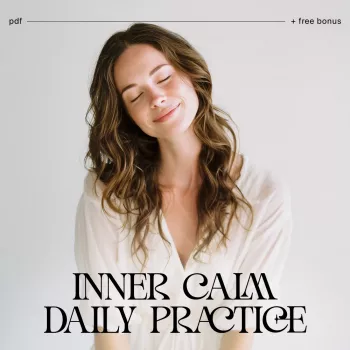
Tight shoulders, racing thoughts, and screen fatigue often show up in the smallest gaps of the day. A short, repeatable micro-break routine can lower the intensity fast—without needing a full workout, a long meditation session, or a quiet room. A printable checklist keeps the steps simple, trackable, and easy to return to when stress spikes.
Stress can also have real physical effects over time, including muscle tension and disrupted sleep. If you want a quick refresher on what stress does in the body, the American Psychological Association’s overview is a helpful reference.
A micro-break is a short reset—usually 30 seconds to 5 minutes—designed to interrupt stress cycles and reduce mental overload. The goal isn’t to “fix everything.” It’s to downshift your nervous system enough to think clearly and move into the next task without carrying the same tension forward.
For additional science-backed stress coping ideas, the CDC’s coping with stress guide offers practical options that pair well with micro-break habits.
The best checklist is the one you’ll actually see and use when you’re busy. Set yours up so it’s obvious, fast, and repeatable.
If you’re also exploring longer-form relaxation practices, the NCCIH meditation overview (NIH) is a solid, balanced resource. Micro-breaks can be a bridge into longer practices, but they also stand on their own for daily stress “maintenance.”
Pick the routine that matches the time you have—not the time you wish you had. Consistency beats intensity here.
| Time | Breath | Body | Mind | Best for |
|---|---|---|---|---|
| 30–60 sec | 4–6 slow breaths, longer exhales | Drop shoulders, relax hands | Name 1 feeling + 1 need | Quick tension spikes |
| 2–3 min | Box or paced breathing | Neck rolls, shoulder circles | 5-4-3-2-1 grounding | Busy workdays |
| 4–5 min | Paced breathing + pause | Mini body scan | Set a tiny next step | Regaining focus |
Tracking turns guesswork into patterns you can learn from. When you log even a few days, you may notice repeat triggers (notifications, specific meetings, late-afternoon fatigue) and which routine lowers your stress the fastest.
Copy/paste the table below into a note or print it as a daily mini log.
| When | Trigger | Routine | Stress Before (0–10) | Stress After (0–10) |
|---|---|---|---|---|
| Morning | Email/notifications | 60-sec reset | ||
| Midday | Meetings | 3-min reset | ||
| Evening | Overthinking | 5-min reset |
If you like guided support but don’t want a long routine, keep it simple and repeatable.
Cue idea: 18K Gold Plated Daisy Drop Earrings
| Location | Best cue | Why it helps |
|---|---|---|
| Desk/workspace | After meetings | Prevents stress buildup between tasks |
| Kitchen/fridge | Before meals | Supports calmer eating and digestion |
| Nightstand | Before sleep | Helps reduce racing thoughts |
Use it 2–6 times per day or anytime early tension shows up (jaw clenching, shallow breathing, shoulder tightness). A cue-based schedule—like after meetings, after email checks, and before meals—makes it easier to stay consistent.
Switch to gentler options: shorter breaths, longer exhales, and grounding with your senses while you relax your shoulders and hands. Stop if you feel dizzy, and if symptoms persist or feel intense, consider professional support.
Yes—checklists reduce decision fatigue by giving you a repeatable sequence when your brain feels overloaded. Adding a quick before/after stress rating helps you learn which micro-breaks work best for you over time.





Leave a comment