A compact food processor and vegetable chopper can turn time-consuming prep—dicing onions, slicing cucumbers, chopping herbs, shredding carrots—into a quick, repeatable routine. The right tool balances cutting performance, capacity, safety, and easy cleanup so it gets used daily rather than stored away. When prep feels effortless, weeknight cooking gets simpler, meal planning becomes less of a chore, and fresh ingredients are easier to use consistently.
What this type of kitchen tool is best at
- Quick chopping for onions, garlic, herbs, peppers, and mixed vegetables
- Consistent results for salsas, slaws, salad toppings, and stir-fry prep
- Speeding up batch prep for meal planning (multiple veggies in one session)
- Reducing hand fatigue from repetitive knife work
- Handling small-to-medium quantities where a full-size processor feels oversized
Key features that matter day to day
Two tools can look similar on a counter but behave very differently in real cooking. These are the details that tend to decide whether it becomes a daily driver.
- Blade and disc options: chopping blades for mince/dice; slicing/shredding attachments for uniform cuts
- Bowl capacity: enough room for a family-sized batch without needing multiple rounds
- Motor performance: steady power for hard vegetables (carrots, potatoes) and denser mixes
- Control and pulsing: short pulses help avoid over-processing and keep texture
- Stable base and secure lid: reduces wobble and improves safety during operation
- Feed chute design (if included): makes slicing safer than hand-feeding near blades
Common prep tasks and the results to expect
Once you match the right attachment to the job, results become predictable—less “mystery mush,” more crisp, consistent pieces that cook evenly and look great on the plate.
- Onion and garlic: quick, even mince using short pulses; avoid purée by stopping early
- Cucumbers and zucchini: clean slices for salads; consistent thickness improves texture
- Carrots and cabbage: shredding for slaw and stir-fry; shred size affects dressing absorption
- Herbs: chop while staying fluffy by keeping herbs dry and using brief pulses
- Potatoes: slicing for gratins; rinse slices to reduce excess starch when desired
Quick guide to attachments, textures, and best uses
| Cut style / attachment |
Typical result |
Best for |
Tip for better texture |
| Chopping blade |
Coarse to fine chop (depends on pulsing) |
Onions, salsa, mirepoix, nuts |
Pulse in short bursts; scrape bowl once mid-way |
| Slicing disc |
Uniform slices |
Cucumbers, potatoes, zucchini |
Use steady pressure; pre-trim ends for stable feeding |
| Shredding disc |
Fine/medium shreds |
Carrots, cabbage, cheese |
Chill soft items (like cheese) briefly for cleaner shreds |
| Mixing/processing (long run) |
Finer, more blended texture |
Dips, spreads, sauces |
Add liquids gradually to control thickness |
How to use it for consistent, non-mushy vegetables
Texture comes down to two habits: starting with smart prep and stopping at the right moment. A few small adjustments make chopped vegetables look and feel more “knife-cut.”
- Prep vegetables to similar sizes so pieces process evenly and don’t leave large chunks.
- Start with the driest ingredients first; excess moisture speeds over-processing, especially with watery vegetables.
- Use pulse for chopping and switch to continuous run only when a finer texture is needed.
- Avoid overfilling: leave headspace so ingredients circulate and cut uniformly.
- Stop once to scrape down the sides to prevent uneven results.
For “chunky but even” outcomes (like pico-style salsa or stir-fry veg), pulsing in short bursts is the sweet spot. For smoother dips or spreads, longer runs are useful—just add liquids slowly so you control thickness instead of chasing it.
Cleaning, maintenance, and food safety
Fast cleanup is what keeps a processor from becoming a once-a-month appliance. Washing promptly also helps prevent odors and stubborn residue.
- Clean promptly after use to prevent residue from drying on blades and bowl.
- Handle blades carefully: wash with the cutting edge facing away and store with protection.
- Dry components fully before reassembly to reduce odors and keep parts fitting correctly.
- Avoid cross-contamination: wash bowl, lid, and blade thoroughly after raw meat or seafood use.
- Store promptly and keep cold for chopped produce and prepared dips.
For practical, up-to-date kitchen guidance, review food safety recommendations from the USDA Food Safety and Inspection Service and consumer tips from the FDA.
Who it suits and what to consider before buying
- Busy weeknight cooks: faster prep makes fresh cooking more realistic.
- Meal preppers: repeatable slicing and shredding speeds up batch sessions.
- Small kitchens: compact footprint matters as much as performance.
- Families: capacity and easy cleanup reduce friction for daily use.
- Before buying: consider noise level, storage space for attachments, and whether replacement parts are available.
Featured option
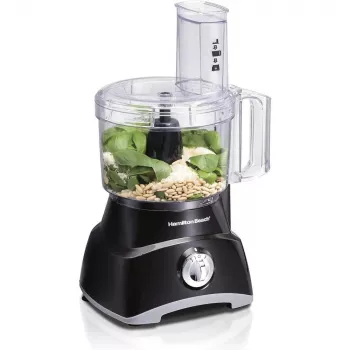
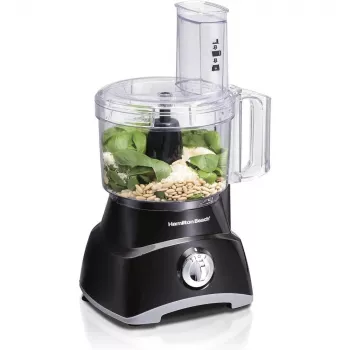
Food Processor & Vegetable Chopper is designed for routine kitchen prep where consistent cuts and quick turnaround matter more than specialty functions. It’s a practical pick for daily use, especially when a full-size processor feels like too much for the job.
More home essentials
For a cohesive home setup beyond the kitchen, browse the Golden Ceramic Round Bathroom Sink for a polished, modern upgrade that complements a clean, functional space.
FAQ
How small can vegetables be chopped without turning into purée?
Use short pulses and stop early, checking texture after a few bursts; watery vegetables can go from chop to paste quickly. Scrape the bowl once mid-way so everything processes evenly without needing extra run time.
Can a food processor and vegetable chopper handle hard vegetables like carrots or potatoes?
Yes—hard vegetables are a common use case. Cut them into manageable chunks, avoid overfilling, and use slicing/shredding attachments when you want clean, uniform results.
What’s the easiest way to clean the blade safely?
Remove the blade carefully by holding the hub, not the edges, and wash with a brush or sponge while keeping fingers away from the cutting surfaces. Dry thoroughly before storing to prevent odors and keep parts fitting correctly.
Recommended for you




Leave a comment