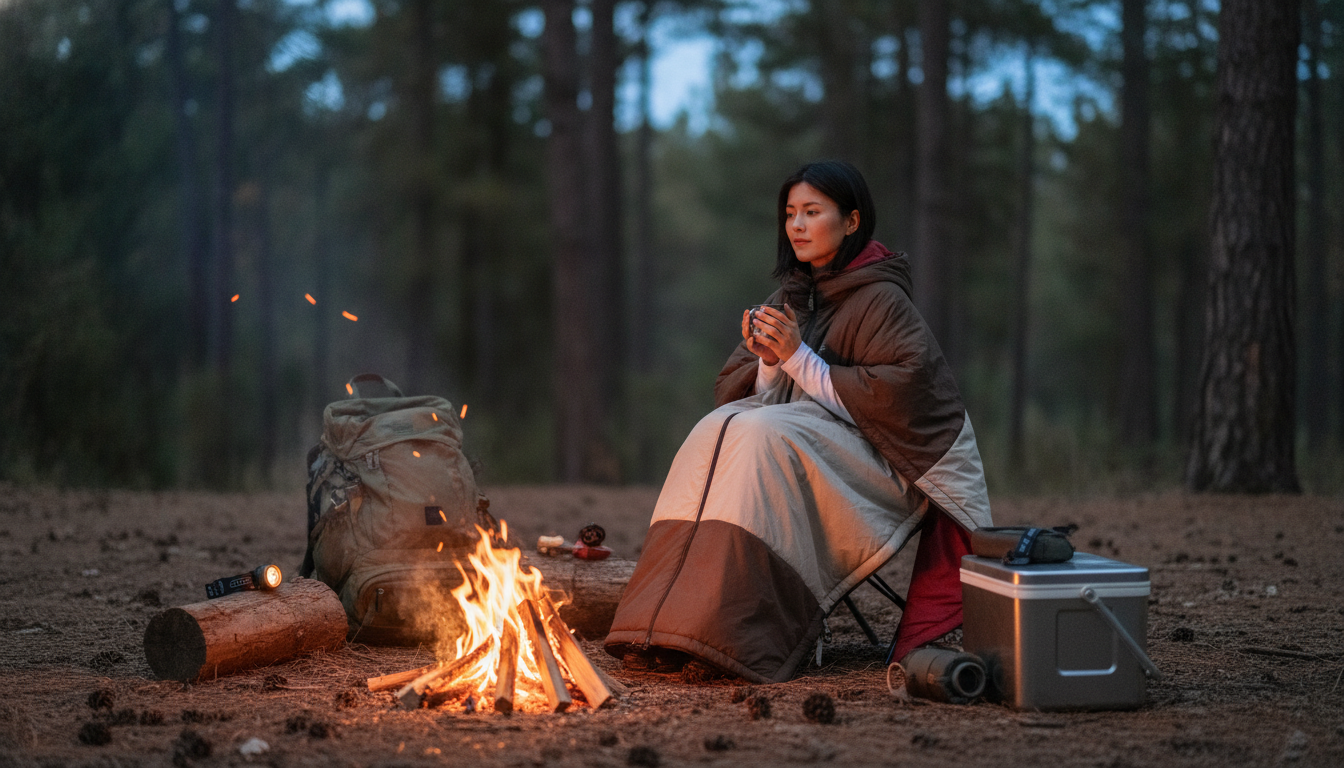
A multi-use layer that shifts from a wearable cloak to a full sleeping bag can simplify packing for camping, festivals, road trips, and emergency kits. Instead of juggling a jacket for evening chores and a separate sleep system add-on for late-night lounging, a convertible design keeps warmth close at hand and ready to deploy. Below is a practical guide to how a wind-blocking, warm, water-resistant build performs outdoors, what to look for in fit and comfort, and how to get the most out of a convertible setup.
Convertible cloak sleeping bags shine when the weather swings between “cool but manageable” and “cold enough to stop having fun.” They’re most useful in shoulder seasons, breezy campgrounds, and any situation where you’re frequently transitioning between moving around and sitting still.
Warmth isn’t just about “thick” fabric. Outdoors, comfort is a mix of insulation, fit, and how well you prevent drafts where the wind tries to sneak in. A convertible cloak sleeping bag can feel surprisingly cozy when openings are sealed and the cut matches your body and sleep style.
If conditions turn genuinely cold, keep safety in mind. Cold exposure can become serious faster than expected; the CDC’s hypothermia guidance is a helpful refresher for trip planning and emergency kits: Hypothermia Prevention and Treatment.
“Windproof” and “water-resistant” are practical advantages, but they’re not magic shields. Used correctly, they improve comfort during the exact moments that tend to feel the coldest: sitting still, standing around camp, or relaxing under an open-sided canopy.
For more cold-weather layering and heat-management tips, REI’s cold-weather overview is a solid reference: Cold Weather Hiking: Staying Warm and Safe.
| Mode | Best for | Strengths | Tips |
|---|---|---|---|
| Cloak | Camp setup, cooking, late-night relaxing | Mobility with warmth; blocks wind while standing/sitting | Close openings during gusts; pair with gloves and a hat |
| Sleeping bag | Overnight sleep, nap breaks, emergency warmth | More complete coverage; fewer heat leaks when sealed | Use a sleeping pad; vent slightly if overheating |
| Blanket/throw | Picnics, car travel, stadium events | Fast on/off; shared warmth | Keep off wet ground; spot-clean after use |
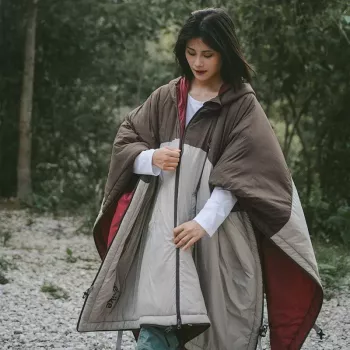
Built to switch between wearable cloak coverage and full sleeping bag use, this option is a compact way to stay warmer during chilly evenings at campsites, cabins, and outdoor events. The wind-blocking, water-resistant outer layer helps with dew and light moisture during typical use, making it a practical addition to a car-camping kit or emergency stash. Price: $71.17 (in stock). Convertible Camping Cloak & Sleeping Bag – Windproof, Warm & Water-Resistant
For campsite downtime, a small waterproof speaker is an easy add-on that doesn’t take much space. Use it for music while cooking, a podcast while packing up, or low-volume background sound during a backyard hangout. Price: $9.01 (in stock). Portable Waterproof Bluetooth Speaker with TWS Pairing and LED RGB Lights
Water-resistant fabric is usually fine for dew, mist, and light drizzle, but sustained rain typically requires a waterproof shell (like a poncho) or overhead coverage such as a tarp. Use a groundsheet or pad to limit wet-ground transfer, and air-dry it after any moisture exposure.
Warmth depends on insulation loft, how well openings seal against drafts, and how effectively wind is blocked—especially around the zipper and shoulders in sleep mode. A sleeping pad and good base layers often make a bigger difference than adding bulk, and performance varies with conditions and setup.
It can work as a shared throw if the dimensions are wide enough, but comfort depends on coverage and how well you manage gaps where air can flow in. Keep it off wet ground and tuck edges under you to reduce drafts.


Leave a comment