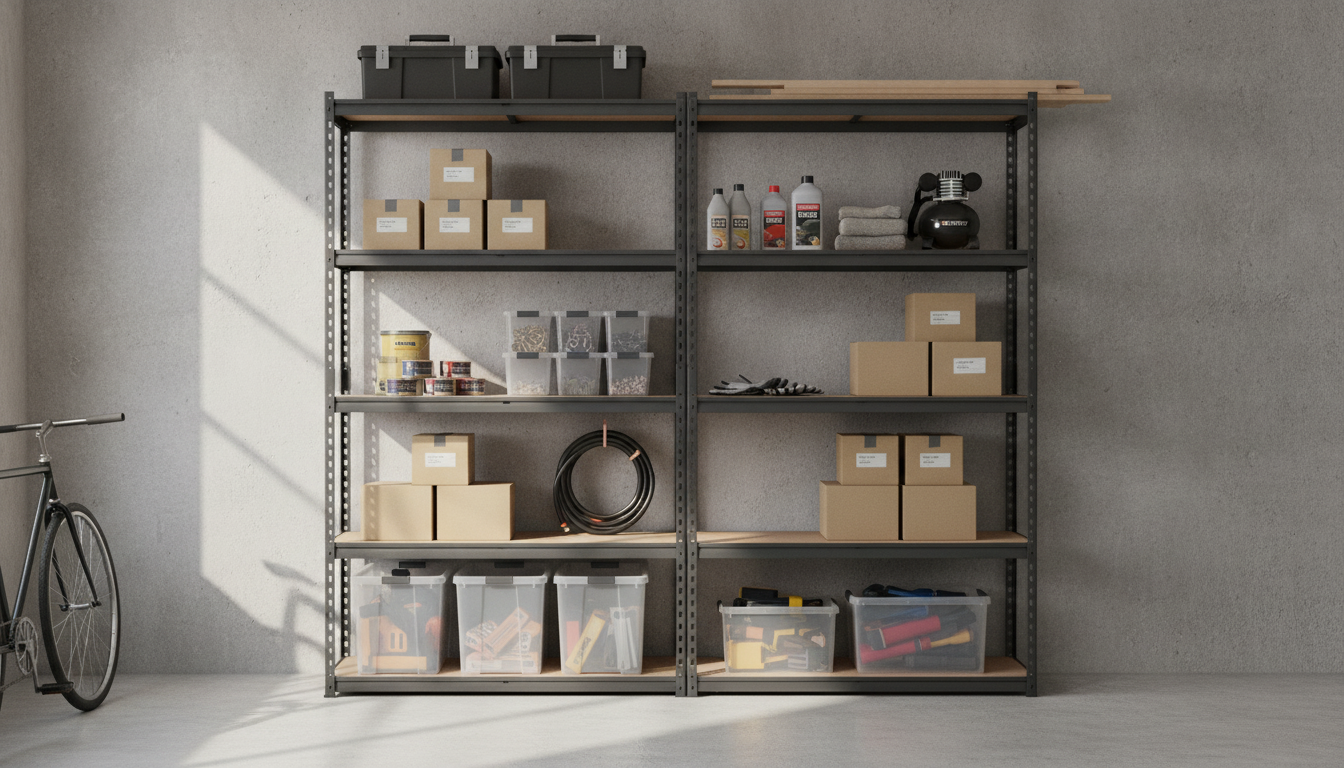
A sturdy shelving unit can turn cluttered corners into organized, easy-to-reach storage. A 5-tier heavy duty metal shelving unit is built to handle everyday household and workshop demands while keeping items visible, separated, and off the floor. Whether the goal is a cleaner garage, a more functional pantry, or a utility room that finally stays tidy, a tall, open shelf system creates structure without requiring permanent built-ins.
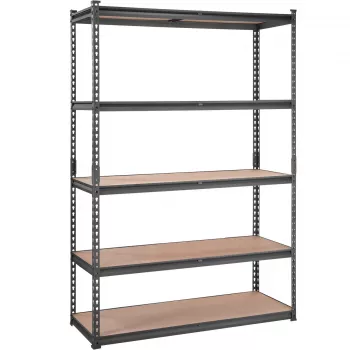
When storage needs go beyond a lightweight plastic rack, metal shelving is a practical upgrade. The 5-Tier Heavy Duty Metal Storage Shelving Unit offers multiple levels for sorting and a sturdy, utility-ready build that suits garages and busy household zones.
| Feature | What it means for daily use |
|---|---|
| 5-tier layout | Organize by category (top: light/rarely used, middle: daily use, bottom: heavy items). |
| Metal frame/shelves | Built for utility spaces and heavier storage than typical plastic shelves. |
| Open shelving | Easier visibility and cleaning; less dust-trapping than closed cabinets. |
| Multi-room fit | Useful in garage, pantry, laundry, storage room, office supply areas. |
For open shelving in high-traffic spaces, small “catchall” surfaces help keep loose items contained. A shallow tray can corral keys, tape measures, batteries, or labels so they don’t migrate between shelves. The Luxury 12-Inch Stainless Steel Decorative Tray for Home, Kitchen & Countertop works well as a simple drop zone next to bins or jars.
A shelving unit is most useful when it stays stable, easy to scan, and easy to reset. Start by planning for weight and access. Safety guidance for storage and handling practices can be found through OSHA’s materials storage resources (OSHA – Materials Handling and Storage). For tip-over awareness and prevention strategies, review the CPSC campaign (CPSC – Anchor It! Prevent Furniture and TV Tip-Over).
| Priority | Recommendation | Example items |
|---|---|---|
| Stability | Bottom shelf for the densest items | Toolboxes, cases of beverages, bulk pet food |
| Access | Middle shelves for daily-use items | Cleaning sprays, pantry staples, work gloves |
| Containment | Bins and trays for small parts | Screws, cables, craft supplies |
| Protection | Keep moisture-prone items elevated | Cardboard boxes, paper products |
A small habit that keeps open shelving looking “intentional” is a quick reset: return out-of-place items to their zone, wipe the shelf edge, and replace any bins that drifted forward. Two minutes now prevents a big reorganization later.
Keep the heaviest items on the bottom shelf, centered and evenly distributed to improve stability and reduce strain when lifting. Avoid overhang and consider anchoring or positioning the unit to minimize tip risk in active areas.
Yes—open shelves make it easier to see what you have and improve airflow around stored goods. Use bins for small packages, keep foods sealed, and place bulk or heavy items on lower tiers for safer lifting.
Assign simple zones per shelf, use labeled bins, and keep daily-use items at mid-height so they get put back quickly. A brief weekly reset and avoiding mixed categories helps the organization last.




Leave a comment