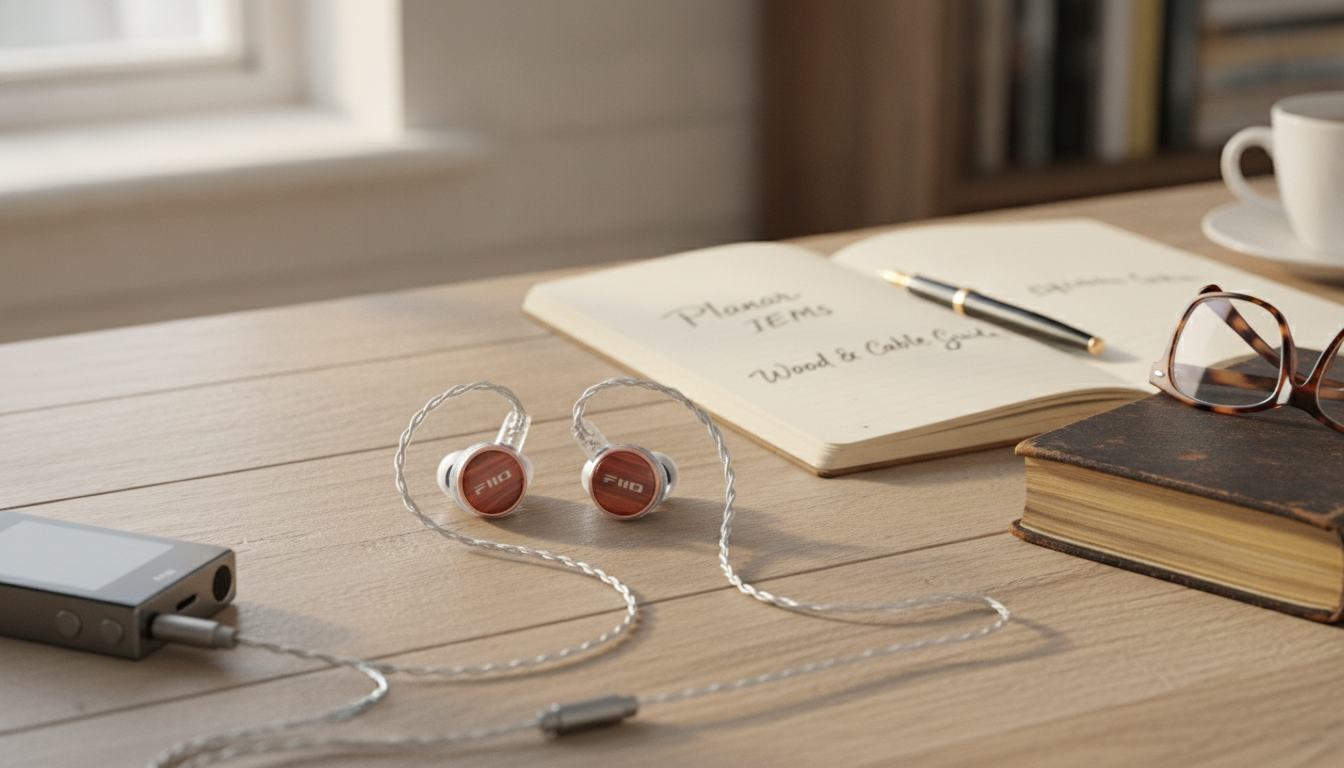
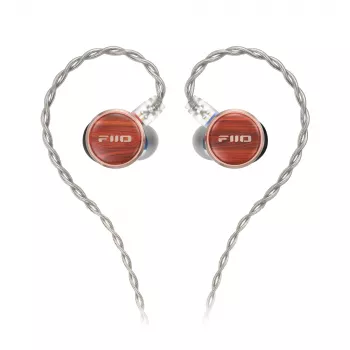
Planar in-ear earphones have earned a strong reputation for speed, separation, and low distortion when paired with a capable source. This model combines a planar driver with a real-wood faceplate for a refined, boutique look, plus a detachable cable that makes upgrades and long-term ownership far easier than fixed-cable designs. The result is a compact, pocket-friendly setup that aims for the clarity of planar technology without stepping up to bulky full-size headphones. For more guidance, see FiiO FP3 Planar In-Ear Monitors – Reviews – Head-Fi.
Unlike typical dynamic-driver earphones that move a cone or dome from a voice coil at the center, planar designs use a thin diaphragm driven across a broader surface area. In practice, that broader drive can translate into more controlled motion and a “cleaner” presentation—especially noticeable with dense mixes and fast percussion. For further reading, see Astrotec Vesna Review (1) – Best In Class? • Music For The Masses.
Planar IEMs are often praised for quick attack and decay, which can keep busy passages from sounding smeared or congested. Transients like snare hits, plucked strings, and rapid synth arpeggios tend to start and stop decisively, helping subtle layers stay audible.
One trade-off: many planar in-ear earphones are more power-hungry than common dynamic models. They may still play from a phone, but they typically sound more dynamic and better controlled with a strong dongle DAC or a dedicated portable amp. For background on planar magnetic principles, see Planar magnetic loudspeaker (Wikipedia).
The wood faceplate isn’t just for style—it’s also a statement of craft. Natural grain patterns mean each pair can look slightly different, giving the earphones a distinctive finish that stands out from plain metal or plastic shells.
The detachable cable is the feature that most impacts day-to-day ownership. If a cable fails (the most common wear item for portable audio), it can be replaced without retiring the earphones. It also opens the door to different cable materials, lengths, and terminations—useful if a device setup changes over time.
With any detachable system, connector fit matters. A snug, consistent connection reduces intermittent cutouts and channel dropouts. Strain relief also matters more than aesthetics: the more the cable flexes at the connector, the more it can fatigue over months of commuting and pocket use.
| Feature | Why it matters | What to check before buying |
|---|---|---|
| Planar driver | Clarity, separation, fast transients | Source power, desired tuning (neutral vs warm) |
| Wood faceplate | Premium look and tactile feel | Finish quality, edge sealing, durability |
| Detachable cable | Easy replacement and upgrades | Connector type, secure click/fit, cable length |
| In-ear fit | Comfort and stable bass response | Nozzle size, shell shape, included tips |
Planar IEMs commonly lean into detail retrieval and imaging precision when the recording quality supports it. Micro-details—faint reverb trails, subtle backing textures, pick noise on strings—tend to be presented clearly without needing extreme volume.
Bass on planar sets is frequently described as tight and textured rather than oversized. Sub-bass presence varies by tuning and by seal; a tip that leaks even slightly can make the low end seem lighter than intended. When the seal is right, planar bass often feels “grippy,” with clean note edges and less bloom into the mids.
Mids are typically clean and articulate, which can help vocals and acoustic instruments stay separated. Treble can be airy and extended, contributing to an open sense of space. If treble sensitivity is a concern, tip selection (foam vs silicone) and careful source pairing can smooth peaks without sacrificing the strengths that make planar designs appealing.
A proper seal is the foundation of the whole tuning. Before judging bass or treble balance, try multiple ear tip sizes and materials. Silicone tips can sound lively and open; foam tips often boost perceived isolation and can slightly reduce sharpness up top.
Isolation depends on the shell design and venting, plus tip choice and insertion depth. In louder environments, foam tips may help keep volume lower because less external noise leaks in. Comfort for long sessions often comes down to avoiding pressure hotspots—choose a tip that seals without forcing the ear canal open.
If the cable is worn over-ear, gently adjust the ear hooks (or pre-formed guides) so the cable rests naturally. This can reduce microphonics (the “thump” of cable movement) and keep the earphones stable during walking or commuting.
Many will play from phones, but they often scale up with a better dongle or DAC/amp. Extra headroom can improve bass control and dynamics, especially on demanding tracks or at moderate-to-loud volumes.
It makes maintenance simpler because a worn or damaged cable can be replaced without replacing the earphones. It also enables upgrades and different terminations as long as the connector type and fit are compatible.
Start with seal: try a larger tip, deeper insertion, or foam tips to eliminate leaks. If the fit is solid, a mild EQ lift in the sub-bass region can add weight without muddying the mids.





Leave a comment