Travel can be realistic and enjoyable with a chronic illness when planning focuses on stability, backups, and pacing. The goal is to reduce uncertainty: protect medication access, prevent symptom flares, and build a flexible itinerary that matches daily energy and care needs. With a little structure upfront, travel days can feel less like a test of endurance and more like a series of manageable steps.
A brief pre-trip plan is the difference between “hoping it works out” and knowing what you’ll do if something changes. If possible, schedule a check-in with your clinician to confirm fitness to travel, talk through flare prevention, and update any prescriptions that might run out mid-trip.
For practical guidance on traveling with medication rules and documentation, the CDC’s traveling with medications page is a reliable reference to check before departure.
Think in layers: what you need on a normal day, what you need if travel is delayed, and what you need if your symptoms flare. Keep essentials in your carry-on and pack in a way that makes security, hotel check-in, and refills easier.
| Item | Why it matters | Where to pack |
|---|---|---|
| Daily medications (original containers) | Reduces issues at security and pharmacies | Carry-on |
| Backup supply (3–7+ days) | Covers delays and missed connections | Carry-on + secondary bag |
| Medication list + prescriber contacts | Speeds urgent refills and emergency care | Phone + printed copy |
| Temperature control (insulated pouch/ice packs as allowed) | Protects potency of sensitive meds | Carry-on |
| Medical devices (CPAP, glucose monitor, mobility aids) | Maintains baseline health routines | Carry-on (fragile) / checked (durable) |
| Symptom kit (anti-nausea, pain plan, electrolyte packets) | Helps manage early flare signs | Carry-on |
For airport procedures related to medical items and screening, it helps to review TSA guidance for disabilities and medical conditions before travel day so you know what to expect and what you can request.
Transportation choices can either protect your baseline or quietly drain it. Prioritize options that reduce rushing, minimize standing, and make bathrooms and hydration easy to access.
One underrated strategy: build “recovery buffers” around transit. A lighter arrival day and a slower morning after a long travel day can prevent a flare that steals multiple days later.
Your lodging and daily rhythm matter as much as your destination. Aim for a setup that reduces physical strain and makes your usual care routine simple.
International travelers may also want to skim IATA guidance on traveling with medicines and medical items for airline-aligned considerations, especially when connecting across multiple airports.
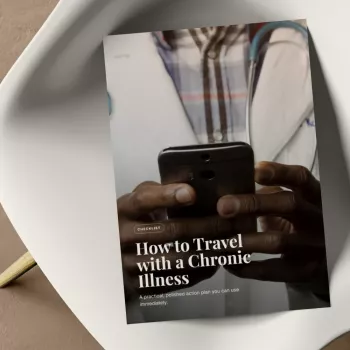
For a ready-to-use planning resource, consider the digital guide How to Travel With a Chronic Illness. Pair it with a personal one-page summary that includes diagnoses (only as needed), medications, allergies, emergency contacts, and any baseline vitals your clinician recommends.
For complex care, start 4–8 weeks ahead so you have time for appointments, refills, insurance confirmations, and accommodation requests. For simpler trips with stable routines, 1–2 weeks is often enough, as long as prescriptions and backup supplies are handled.
Include only what’s necessary: relevant diagnoses, medications (with generic names), devices/supplies (needles, liquids, CPAP), and any accommodations you may require. It should also list clinician contact information and have a date and signature.
Pacing is key: protect sleep, keep hydration and meals consistent, and avoid long, uninterrupted transit whenever possible. A clinician-approved early-intervention symptom kit and simple stress-management tools can help you respond quickly before symptoms escalate.





Leave a comment