-
Shop
- Advanced Technologies
- AI Career Advantage Collection
- AI Skills Mastery 2026 Collection
- Bathroom
- Black Friday
- Business & Wealth
- Car Accessories
- Dating & Social Skills
- Denim
- 7FOR
- AGOLDE
- Antony Morato
- Armani Exchange
- Boss
- Brunello Cucinelli
- Calvin Klein Jeans
- Costume National
- Desigual
- Diesel
- Dolce & Gabbana
- Dsquared²
- Ermanno Scervino
- Fendi
- Gianni Lupo
- Guess Jeans
- Ichi
- Just Cavalli
- Lee
- Levi's
- Liu Jo
- Morgan De Toi
- Mother Denim
- Only
- Pepe Jeans
- Pinko
- Replay
- Valentino
- Vero Moda
- Digital Resources
- AI Skills
- Beauty
- Car Buying & Ownership
- Cozy Feast Collection
- Dating & Social Confidence
- Electronics & Technology
- Financial Education
- Fitness & Exercise Programs
- Halloween Digital Collection
- Home Styling & Organization
- Kitchen & Cooking
- Online Business
- Parenting & Child Development
- Parenting & Family Life
- Personal Style & Fashion
- Pet Lifestyle & Wellness
- Smart Amazon Shopping
- Smart Black Friday Shopping
- Smart Life with AI
- Thanksgiving Digital Collection
- TikTok Growth & Monetization Mastery
- Travel & Adventure
- Travel Planning
- Wellness
- Wellness & Self-Care
- Yoga & Fitness
- Education & Learning
- Family & Home
- Family & Parenting
- Fashion
- Fashion & Beauty
- Fashion Accessories
- Furniture
- Gadgets
- Health & Beauty
- Health & Wellness
- Home & Garden
- Home Decor
- Home Electronics
- Home Supplies
- Kids & Babies
- Kitchen
- Lighting
- Online Business for Beginners
- Patio, Lawn & Garden
- Personal Growth
- Personal Growth & Wellness
- Pet Care
- Pet Supplies
- Pets
- Sport & Outdoors
- Super Deals
- Thanksgiving
- Travel
- Wealth
- Wealth Building
- Budgeting & Saving
- Cryptocurrency Investing
- Debt Management
- Entrepreneurship & Business Growth
- Family Finance & Budgeting
- Financial Independence
- Financial Mindset & Psychology
- Financial Planning
- Frugal Living & Expense Hacks
- Goal Setting
- High-Income Skills
- Investing Basics
- Leadership
- Networking & Mentorship
- Passive Income Strategies
- Real Estate Investing
- Side Hustles
- Stock Market Investing
How to Practice Patience and Build Emotional Strength
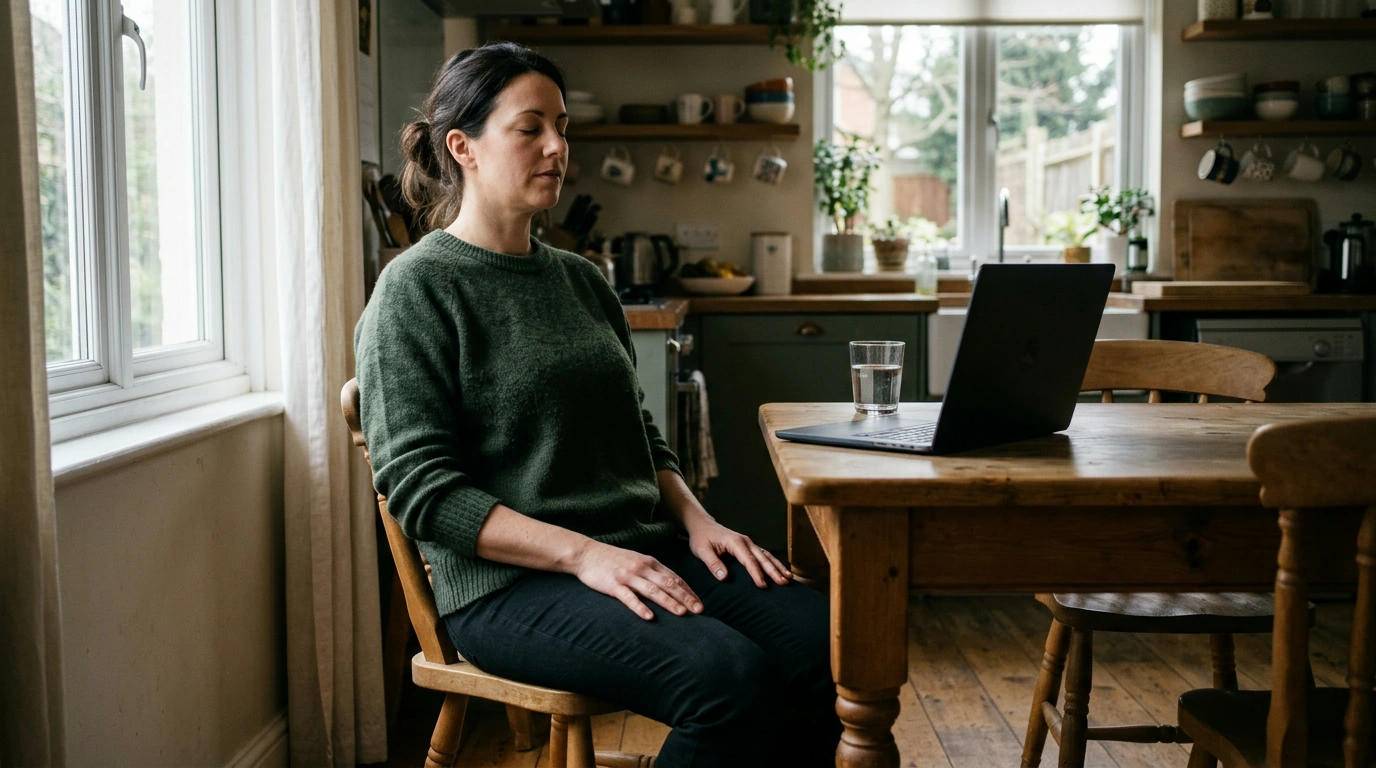
A delayed response, a long line, or a sudden change of plans can make an ordinary day feel harder than it needs to. Patience does not erase those moments. It gives you room to meet them with greater care.
Like any skill, patience can be practiced in small, repeatable ways. Our digital guide offers an option for exploring daily patience alongside emotional strength, mindfulness, and calm thinking. You can begin with a single breath and build from there.
Why Patience Is a Form of Strength
Patience is not the same as pretending everything is fine. You can acknowledge disappointment, anger, or worry without letting the feeling make every decision for you. A patient response might mean asking a question, setting a boundary, or taking time before answering.
Emotional strength often shows up in that small space between noticing frustration and choosing what to do next. If a conversation becomes tense, for example, you might say that you need a moment to gather your thoughts. That response recognizes the difficulty while giving you a constructive way forward.
Patience also does not require you to accept a harmful situation. Leaving, seeking help, or speaking up can be appropriate and thoughtful choices. And you do not have to feel perfectly calm to practice patience; noticing that you are irritated is a useful place to start.
Make Everyday Pauses Work for You
Impatience can appear in your body before you put a name to it. You might notice tight shoulders, a clenched jaw, or a quicker breath. Those signals can serve as reminders to pause rather than reasons to criticize yourself.
Try a simple sequence: take one slow breath, name the feeling, and ask what needs your attention now. If you are waiting for an answer to an email, you might recognize that you feel anxious and decide whether a follow-up is actually needed. If not, turn to another task while you wait.
Low-stakes moments offer a chance to practice. A line at the store or a minor interruption gives you an opportunity to try a pause without demanding a dramatic change in your day.
Small Ways to Practice Patience
| Everyday moment | Patient response | Purpose |
|---|---|---|
| A long wait | Take a slow breath and notice your surroundings | Make space before reacting |
| A difficult conversation | Listen fully before answering | Respond with greater care |
| A disrupted plan | Identify one useful next step | Focus on what can be done |
These responses are starting points, not rules. If a situation needs immediate action, give that action your attention. A pause can be brief enough to help you decide what matters most without delaying a necessary response.
Bring Mindfulness Into Calm Thinking
Mindfulness means paying attention to the present moment without judging every thought that passes through your mind. You might notice the sensation of your feet on the floor or the sounds around you, then return your attention to the task at hand.
When a thought feels urgent, ask whether it is a fact, an assumption, or a reaction. “The meeting was moved” is a fact; “Everyone is annoyed with me” may be an assumption. You do not have to settle every uncertainty immediately, but naming the difference can help you choose your next step more carefully.
At the end of the day, reflect on one moment when you practiced patience and one moment when you would like to try again. Keep the reflection brief and specific. The National Institutes of Health emotional wellness toolkit offers additional ideas for supporting emotional well-being.
Explore the Patience That Strengthens You Digital Guide
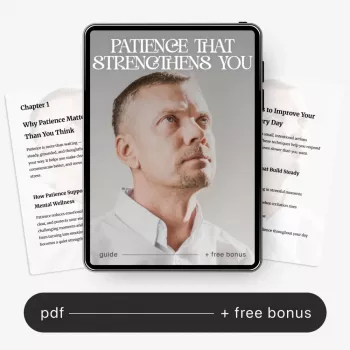
Our Patience That Strengthens You digital guide, formally titled Patience That Strengthens You – Digital Guide | Ways to Improve Your Patience Daily, Emotional Strength, Mindfulness & Calm Thinking Toolkit, brings together the themes behind these everyday practices.
It is an option if you want to focus on patience, emotional strength, mindfulness, and calm thinking. The listed price is $7.99; visit the product page for current purchase details. Consider whether you want a dedicated resource to support your attention to these topics alongside the small practices you choose for yourself.
You can also pair a pause with a familiar part of your routine. If getting ready in the morning is that moment, our 18K Gold Plated Daisy Drop Earrings are another in-stock option to explore. The reminder itself can be as simple as taking one breath before you begin the day.
Build a Practice That Lasts
Choose one small practice and attach it to something you already do. You might relax your shoulders while the coffee brews or listen without preparing your reply during one conversation each day. Repetition in a familiar situation makes the practice easier to remember.
If your choice does not fit, adjust it. A quiet evening reflection may work better than a morning pause, or a single breath may feel more manageable than a longer exercise. Setbacks are opportunities to begin again, not proof that you have failed.
Persistent distress can deserve more support than a personal routine can provide. A qualified mental health professional can help you consider options suited to your circumstances. The National Center for Complementary and Integrative Health also provides information about mindfulness practices and their safety.
FAQ
How can I practice patience every day?
Start with a brief pause during a routine wait. Notice what you feel, take a slow breath, and choose a considered response.
Does being patient mean suppressing frustration?
No. Patience can include acknowledging frustration while deciding how to express it constructively or set a boundary.
What is the Patience That Strengthens You guide about?
Our digital guide focuses on daily patience, emotional strength, mindfulness, and calm thinking.
Recommended for you

Was this article helpful?
Yes
No



Leave a comment