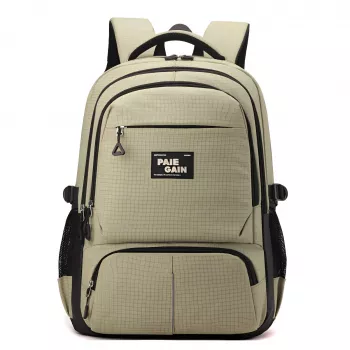
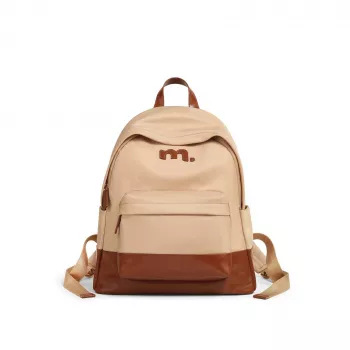
A dependable backpack needs to handle sudden rain, daily commutes, and packed schedules without feeling bulky or disorganized. This waterproof nylon laptop backpack is built around a roomy main compartment, protected tech storage, and a practical pocket layout—making it a solid choice for students, commuters, and short-trip travelers who want one bag that transitions easily between classroom, office, and weekend plans.
When a backpack is part of the daily routine, the small design choices matter: the fabric, how the weight sits, and whether you can reach essentials without digging. A waterproof nylon exterior helps shield belongings from light rain, splashes, and damp surfaces during commutes, while a large-capacity interior supports mixed loads like textbooks, notebooks, a lunch container, and a light jacket.
Separating a laptop from bulkier items reduces scuffs and pressure points—especially when the bag gets set down quickly in class, on a bus, or at a café. The overall profile stays balanced for everyday settings like campus pathways, public transit, and airport terminals without looking like oversized luggage.
A well-planned layout helps the backpack feel “smaller” in use because everything has a home. The main compartment is designed for books, folders, travel layers, or a simple packing cube-style setup for overnights. A dedicated laptop space helps keep electronics from shifting when you pivot through doorways or slide the bag under a seat.
Front quick-access pockets are ideal for the items you reach for repeatedly—keys, earbuds, transit cards, pens, and small chargers—while side pockets are handy for a water bottle or compact umbrella to keep wet gear away from paper items.
| Area | Best for | Why it helps |
|---|---|---|
| Laptop compartment | Laptop + slim sleeve | Separates tech from heavy books and reduces pressure |
| Main compartment | Textbooks, clothing layer, lunch box | Holds bulky items without crowding smaller pockets |
| Front pocket | Keys, wallet, pens, small charger | Fast access without opening the main compartment |
| Side pocket | Bottle or umbrella | Keeps liquids/wet gear isolated and easy to grab |
Waterproof nylon is designed to resist moisture on the surface, helping keep contents drier during typical day-to-day exposure. For heavier downpours or longer walks in steady rain, placing electronics in a sleeve or pouch adds a smart second layer of protection—especially around zipper openings where water can find a path in over time.
Care is straightforward: wipe the exterior with a damp cloth after commutes or travel days, and avoid harsh detergents that can degrade coatings. If the bag gets wet, open the zippers and air-dry it fully to reduce trapped moisture and odor. For general backpack safety and carry guidance, the Consumer Product Safety Commission’s backpack resource and the American Chiropractic Association’s backpack safety tips are helpful references.
Comfort comes from both design and how you pack. Start by adjusting the shoulder straps so the bag sits high enough to reduce sway while walking or biking. Next, load placement: keep the heaviest items—like a laptop or thick textbooks—closest to the back panel to reduce leverage on your shoulders.
For longer walks across campus or through terminals, use both straps rather than slinging the bag on one shoulder. Also keep outer pockets from becoming “brick pockets”; overpacking them pulls weight away from the body and can increase fatigue by the end of the day.
For short trips, packing by access helps the backpack function like a personal item without turning into a cluttered catch-all. Keep documents, a small power bank, and snacks in the easiest-to-reach pocket. Use small pouches to group cables and toiletries so the main compartment stays tidy and you can pull out what you need in seconds.
Place a light layer near the top to handle changing temperatures on buses, trains, or flights. If you’re carrying a laptop, make it a habit to close zippers fully before moving through crowds—especially when you’re standing, turning, or stepping off public transit.
This style of bag is a strong match for anyone who needs flexible capacity without a bulky look:
Waterproof nylon helps resist moisture, but prolonged heavy rain can still seep through openings like zippers and seams. For extra protection, use a laptop sleeve or dry pouch and keep all zippers fully closed while you’re outside.
Measure your laptop’s diagonal screen size and thickness, then compare those measurements to the compartment dimensions listed on the product page when available. Using a slim sleeve can also reduce abrasion while keeping the fit streamlined.
Place the heaviest items closest to the back panel and distribute weight evenly across the bag. Keep outer pockets light and tighten the shoulder straps to reduce sway, which makes the load feel more stable.



Leave a comment