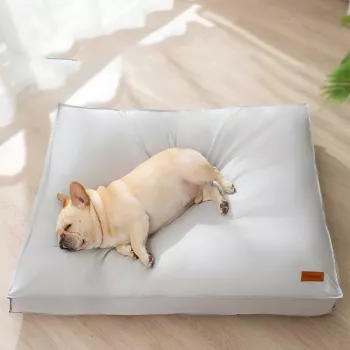
No dog bed is truly “tear-proof” for every dog, especially determined chewers. What you can get is a bed that’s much harder to damage by choosing tougher fabrics, tighter construction, and a design that removes the easiest targets (loose seams, dangling zippers, and fluffy stuffing access points).
Look for durable textiles like heavy-duty polyester/oxford-style fabric, tightly woven canvas, or upholstery-grade covers. These tend to snag less and hold up longer than plush, fuzzy materials that invite chewing and unraveling.
Seams are usually the first failure point. Double stitching and reinforced corners help prevent a small nick from turning into a full rip. If the bed has a zipper, a hidden or covered zipper is less likely to be targeted.
Once a dog reaches filling, the bed can be destroyed quickly. Beds with a more structured shape and a secure, well-fitted cover make it harder for teeth to grab an edge and start pulling.
Moisture, odors, and grime can weaken fabrics over time. A waterproof or water-resistant cover helps protect the inner cushion and keeps the bed from degrading as fast after accidents or spills.
If you want durability plus easy cleanup, a waterproof, structured sofa-style bed can be a smart middle ground—less “fluffy prey,” more resilient cover. For a deeper look at one such option and what features matter most, see this guide: Waterproof Square Sofa Dog Bed for Small & Medium Pets.
For Dog Beds That Resist Tearing: What Works for Chewers, the best answer depends on fit, material, care instructions, and how the product will be used day to day.
Remove the bed when the dog is unsupervised until chewing stops, and offer a dedicated chew toy instead. More exercise and short training sessions that reward calm behavior can also reduce destructive chewing.






Leave a comment