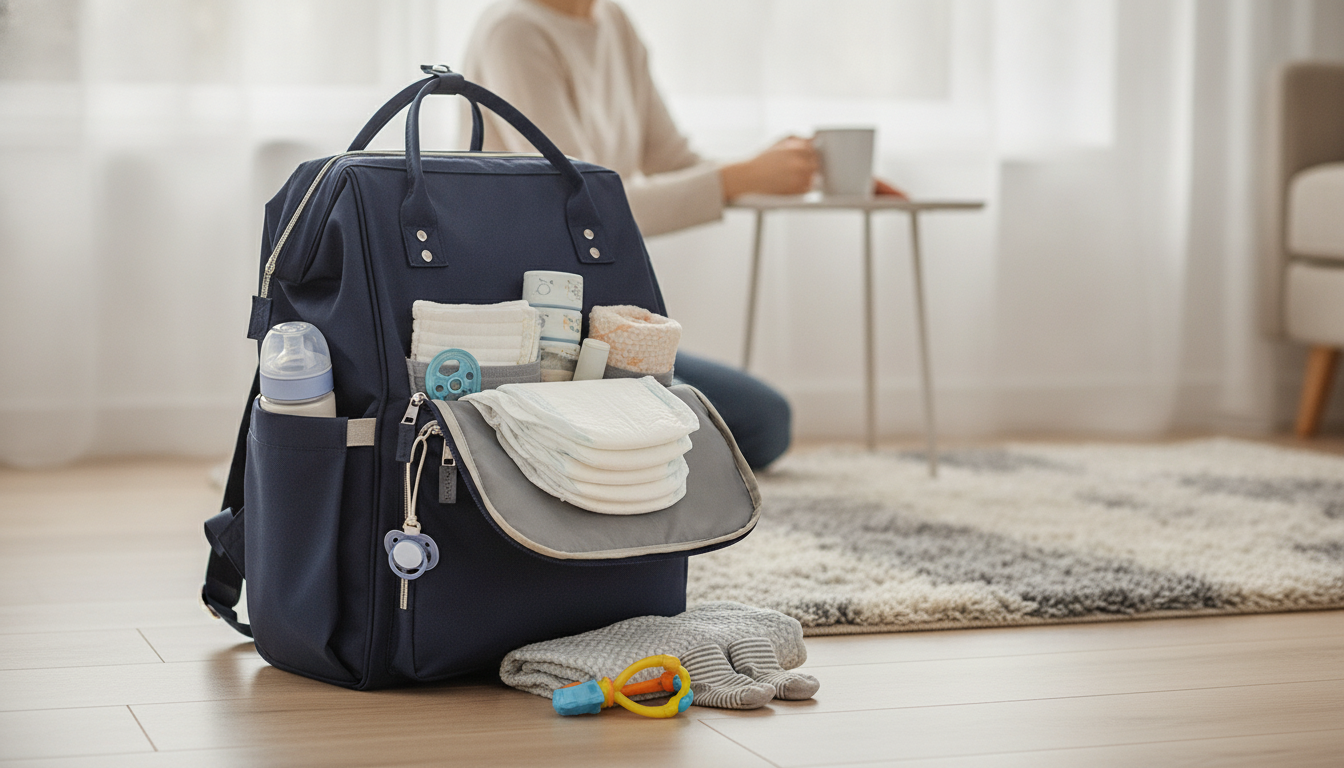
A diaper bag earns its keep when it keeps both hands free, stays organized under pressure, and holds everything needed for quick changes, feeding, and on-the-go comfort. A large-capacity multi-function diaper backpack is built for the real rhythm of parenting—school drop-offs, errands, park afternoons, and travel days—without the usual rummaging, shoulder strain, or “where did I put the wipes?” moments.
Daily life with a baby (or toddler) rewards a bag that’s easy to carry, quick to access, and predictable to pack. A backpack format typically does that better than a shoulder tote because it spreads the load evenly across both shoulders—especially helpful on longer walks, public transit days, or when you’re also pushing a stroller.
Capacity matters, but so does how that space is divided. Multiple compartments help keep “must-have-now” items separate from bulk storage. A structured shape that stands on its own can be a quiet lifesaver in tight bathrooms, playground benches, or the back seat—nothing flops over, and you can see what you’re reaching for.
Finally, the best everyday diaper backpacks don’t feel like “baby gear only.” A neutral, practical look, wipeable exterior, and durable zippers make it easier to use the same bag from newborn stage through toddler years.
Organization is less about having endless pockets and more about assigning each pocket a job. When every category has a “home,” packing becomes faster and you’ll notice immediately when something is missing.
| Category | Essentials | Best Placement |
|---|---|---|
| Diaper change | Diapers, wipes, cream, disposable bags | Front/quick-access pocket or top compartment |
| Clothing | 2 outfits, socks, light layer | Main compartment (rolled) |
| Feeding | Bottle(s), snack cup, bib, burp cloth | Insulated/side pocket if available; otherwise a separate pouch |
| Health & cleanup | Hand sanitizer, tissues, mini first-aid, wet bag | Inner zip pocket |
| Parent carry | Phone, wallet, keys, charger | Secure zip pocket close to back panel |
For hygiene basics, keeping sanitizer easy to reach helps after diaper changes and messy snacks; the CDC’s handwashing guidance is a useful reference for everyday routines (CDC — Handwashing: Clean Hands Save Lives).
A diaper backpack can hold a lot, but it shouldn’t feel like a workout. Look for wide, padded shoulder straps that reduce pressure points and a supportive back panel that helps the bag sit comfortably (and often reduces heat buildup during warmer months).
A sturdy top handle is more important than it seems—great for quick grabs from the car, hanging the bag on a hook in a restroom, or moving it without fully putting it on. If you use a stroller often, stroller-friendly carry options (hooks or loops, when included) keep essentials within reach while leaving the under-stroller basket free for bigger items.
One more comfort tip: pack heavier items (like water bottles) closer to the back panel. That small change can reduce the “pulling backward” feeling and make a fully loaded bag feel more balanced.
If diaper rash supplies are part of your daily kit, it can help to keep them in a dedicated mini pouch so you can grab everything quickly. For general diaper rash information, the American Academy of Pediatrics offers parent-friendly guidance (American Academy of Pediatrics — HealthyChildren.org).
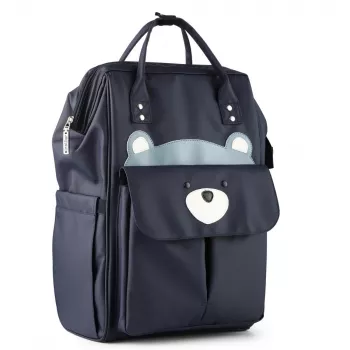
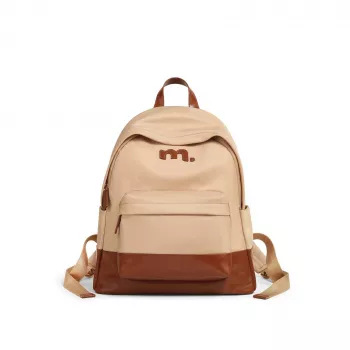
If the goal is one bag that can handle everyday parenting without constant reshuffling, the Large-Capacity Multi-Function Diaper Backpack for Everyday Parenting is built around roomy storage and organized compartments. The backpack format supports hands-free movement for stairs, strollers, and carrying a child, making it a practical choice for errands, daycare routines, and weekend trips.
Many large-capacity diaper backpacks can fit roughly 6–12 diapers depending on diaper size and how much else you’re carrying. Using pouches and keeping bulky items (like extra clothes) rolled can noticeably increase usable space.
They can be very comfortable when they have padded shoulder straps, a supportive back panel, and a balanced packing layout. Comfort drops quickly if any backpack is overloaded, so keeping heavier items close to your back helps on long days.
Empty the bag, shake out crumbs, wipe the interior and exterior with mild soap and water, then spot-clean as needed and air-dry fully. Always check any care notes for the specific material before using stronger cleaners.



Leave a comment