Modern Outdoor Wooden Playhouse for Kids Aged 2–8: A Backyard Space for Everyday Imagination
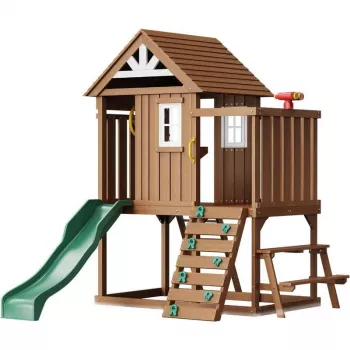
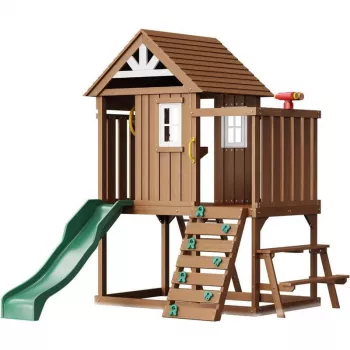
A backyard playhouse can turn ordinary outdoor time into hours of pretend play, reading, snacks, and quiet breaks—without adding screens. Our Modern Outdoor Wooden Playhouse for Kids Aged 2-8 is designed to feel like a real “little house” outdoors, giving toddlers through early elementary kids a dedicated space that encourages independent play, shared games with siblings, and fresh-air routines families can actually keep.
What this playhouse brings to a backyard routine
- A dedicated kid-sized “room” outdoors for pretend play, drawing, story time, and snack breaks.
- Encourages independent play while still keeping kids within view in the yard.
- Works as a shared space for siblings and playdates, supporting cooperative play and turn-taking.
- A simple way to add structure to outdoor time (morning playhouse time, after-school reset, weekend pretend café, and more).
Best-fit ages (2–8) and how to make it work across stages
Ages 2–8 covers a lot of childhood, so the easiest way to get long-term value is to let the playhouse “grow” with your routines. Think of it as a consistent setting, while the props and expectations change over time.
Age-stage ideas for playhouse setup
| Age range |
Play focus |
Simple add-ons (optional) |
| 2–3 |
Short bursts of pretend, sensory play |
Outdoor mat, soft bin, a few large toys |
| 4–5 |
Role play, cooperative games |
Prop basket, washable art supplies, small table |
| 6–8 |
Themed play, reading, “clubhouse” routines |
Book box, clipboards, weatherproof storage |
- Ages 2–3: Set up a “home base” with a small outdoor-safe mat, a few chunky toys, and a basket for bubble wands or sidewalk chalk.
- Ages 4–5: Rotate role-play props (toy kitchen items, a mailbox-style note box, dress-up hats) to keep play fresh.
- Ages 6–8: Lean into themed play (book nook, mini art studio, “camp office,” pretend shop) and add simple responsibilities like tidying a bin after use.
- Mixed ages: Designate zones (quiet corner for the youngest, “project shelf” for the oldest) so kids can share the space with fewer conflicts.
Materials and outdoor readiness: what to look for in a wooden playhouse
- Outdoor-friendly feel: Wooden construction suits outdoor use and blends naturally with patios, lawns, and garden edges.
- A look you won’t get tired of: A modern style helps the playhouse feel like a thoughtful part of the yard—not a temporary toy.
- Real-life weather planning: Consider sun exposure, sprinkler overspray, and seasonal temperature swings when choosing placement and routines.
- Maintenance from day one: Quick checks and seasonal touch-ups help a wooden play space stay smooth, sturdy, and inviting.
For broader guidance on playground and outdoor safety habits, you can also review resources from the U.S. Consumer Product Safety Commission (CPSC) and the American Academy of Pediatrics.
Where to place it: comfort, supervision, and less mess indoors
Smart placement is what keeps a playhouse in regular use. When it’s comfortable and easy to supervise, you’ll actually lean on it for daily play (and you’ll track less “outside stuff” back through the house).
- Choose level ground: Doors and panels sit squarely and play feels stable underfoot.
- Keep a clear line of sight: Place it where you can see it from common adult spots like a kitchen window or patio chair.
- Aim for partial shade: If possible, reduce heat and glare during peak sun hours.
- Leave a walkway: A clear perimeter helps kids circulate safely and gives you easy access for checks.
- Plan for cleanup: Put an outdoor bin or deck box nearby so props can be cleared quickly.
Backyard placement checklist
| Check |
Why it matters |
Quick tip |
| Level ground |
Improves stability and reduces uneven wear |
Use a long level or straight board to confirm flatness |
| Clear sightline |
Easier supervision without hovering |
Position near a window or seating area |
| Shade plan |
Helps prevent overheating and sun fatigue |
Morning sun + afternoon shade is a comfortable balance |
| Clear perimeter |
Reduces trips and bumps; makes maintenance easier |
Keep a buffer zone free of bikes and toys |
| Drainage awareness |
Avoids puddles and damp ground after rain |
Skip low spots where water collects |
Safety habits that keep outdoor play easy
Ideas to get more play out of it (without buying a lot)
Care and upkeep for a wooden playhouse
Product picks from our team
FAQ
What ages are best for this modern outdoor wooden playhouse?
It’s designed for kids ages 2–8, which works well for toddlers building confidence in independent play and for older kids who want themed “clubhouse” routines. For younger children, keep props simple and plan on closer supervision as they learn safe play boundaries.
Where should a wooden playhouse be placed in the yard?
Choose level ground with good drainage, and aim for partial shade when possible to keep play more comfortable. We also recommend positioning it where you have a clear line of sight and leaving a safety buffer around all sides for circulation and easy checks.
How do families maintain a wooden playhouse outdoors?
Plan on quick, regular checks for splinters and loose hardware, keep the area clear of debris, and do a seasonal inspection to confirm surfaces stay smooth and secure. Storing props in a weather-resistant bin helps the space stay tidy and ready for everyday use.
Recommended for you





Leave a comment