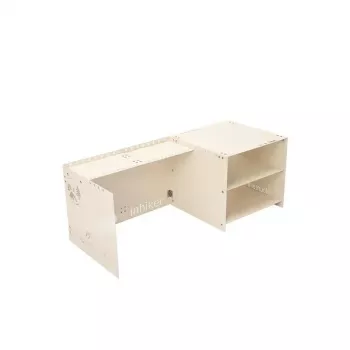
A stable cooking setup matters when wind, uneven ground, and limited space make outdoor meal prep unpredictable. This folding triple-panel rack is designed to create a more sheltered, organized cooking area with sturdy aluminum panels, helping protect the flame and keep cookware steadier at camp, on the beach, or during roadside stops. For more guidance, see 4 Best Beach Umbrellas of 2026, Evaluated and Reviewed.
This is a folding, panel-style camping rack that acts like a structured windbreak around a compact cooking station. Instead of chasing a flickering flame or re-leveling a wobbly pot, the triple-panel layout helps create a calmer “work zone” for quick outdoor meals. For further reading, see MILIMOLI Portable Foldable Umbrella Stand – Thickened Tempered ….
If your trips include gusty coastlines, exposed pull-offs, or campsites where the picnic table is never quite level, a dedicated wind-oriented rack can make a noticeable difference in how consistent (and calm) cooking feels.
The triple-panel format is built for real-world outdoor variables: wind shifts, cramped cooking spaces, and repeated setup/pack-down cycles. Thickened aluminum panels add rigidity, which helps the structure feel more dependable when you’re moving a pot, stirring, or reaching for seasoning.
| Feature | Why it matters outdoors |
|---|---|
| Triple-panel wind protection | Creates a wider sheltered zone around the heat source |
| Thickened aluminum panels | Improves stiffness and long-term durability |
| Folding structure | Packs smaller and sets up quickly |
| Wind-oriented layout | Helps stabilize flame behavior in gusty conditions |
Even the best windbreak works better with a smart setup. A few small adjustments can help prevent rocking, keep the flame breathing properly, and reduce the odds of a pot tipping during a sudden gust.
For sand or loose soil, press the base area firmly to seat it, then re-check that your stove sits level before lighting. If the wind direction shifts, rotate the rack rather than trying to “fight it” with a partially exposed opening.
Wind is more than an annoyance—it can strip heat away from cookware and physically push the flame off-target. That’s why a well-positioned windbreak often feels like an instant upgrade: the stove behaves more predictably, and the cooking process becomes easier to manage.
Keep safety top of mind with any fuel-burning setup. Avoid enclosed or poorly ventilated areas due to carbon monoxide risk, and follow guidance from authoritative sources like the CDC on carbon monoxide prevention. For broader fire-safe habits outdoors, review the U.S. National Park Service campfire safety tips.
This style of folding rack shines when you need a controlled cooking zone without hauling bulky kitchen gear. It’s especially useful in places where wind is steady, surfaces are uneven, or you’re trying to cook efficiently and pack up fast.
If you cook in sensitive areas, apply Leave No Trace habits—pack out scraps, manage grease, and avoid leaving food residue that attracts wildlife. The Leave No Trace principles are a solid checklist for keeping campsites clean and low-impact.
Often, yes—reducing wind around the flame typically improves heating efficiency, which can shorten boil times and lower fuel use. Results vary based on stove design, pot size, and how strong and variable the wind is.
It works with many compact stoves and tabletop burners, as long as you maintain airflow and safe clearance from the flame. Avoid setups that trap excessive heat around fuel canisters or block required ventilation.
Orient the broadest face of the panels toward the wind, keep the base stable on the flattest surface available, and leave a controlled gap for airflow. Monitor the flame and avoid fully enclosing the stove, especially with fuel-burning systems.

Leave a comment