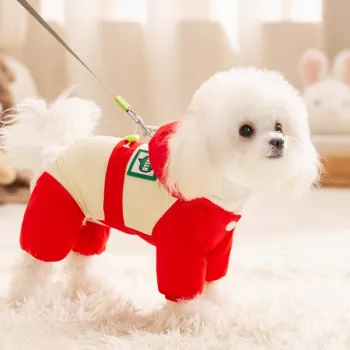
Cold, wet weather can turn everyday walks into a challenge for many pets—especially small breeds, short-haired dogs, seniors, and pups that dislike rain. A warm, waterproof four-legged jacket with a drawstring helps keep the chest, belly, and legs protected while allowing comfortable movement and a snug, draft-blocking fit.
Beyond comfort, a well-designed winter coat can help reduce that post-walk routine of towel-drying, wiping paws, and rinsing off slush splatter. For added cold-weather safety guidance, review seasonal tips from the American Veterinary Medical Association (AVMA) and the ASPCA.
Traditional dog jackets often focus on covering the back, leaving the belly and legs exposed—exactly where slush, mud, and icy spray tend to collect. A four-legged winter coat is built for fuller coverage in real winter conditions.
Not all winter coats perform the same in wet cold. A great option balances weather protection with mobility, so pets can walk naturally and stay comfortable from start to finish.
| Feature | Why it matters | What to check |
|---|---|---|
| Waterproof/water-resistant shell | Helps keep the body dry in rain and wet snow | Seams, fabric feel, and coverage over the back and chest |
| Warm lining | Supports comfort in low temperatures | Soft inner layer, even fill, no rough edges |
| Four-legged coverage | Protects belly and legs from slush/mud | Sleeves don’t pull when walking or sitting |
| Drawstring adjustment | Reduces drafts and improves fit | Cinch points that don’t rub or pinch |
| Comfortable mobility | Prevents chafing and resistance to wearing | Room at shoulders/hips; no tightness at armpits |
Even the warmest coat won’t help much if it slides, gaps, or rubs. A few quick measurements and a short movement test can prevent most fit issues.
A helpful rule: if your pet hesitates to move, sits stiffly, or the sleeves pull backward when they step forward, the cut or size likely needs adjusting.
A drawstring can be the difference between “warm and sealed” and “cold air sneaking in.” The goal is to eliminate gaps—without pressure.
Some pets only need extra warmth on the coldest days, while others benefit all season long. A waterproof, insulated, four-legged coat is especially useful in conditions that soak or chill quickly.
If conditions are severe, keep outdoor time shorter and watch for shivering or lifting paws. The AKC’s winter safety tips are a solid reference for cold-weather routines.
For daily winter routines, Winter Pet Coat Warm Waterproof Four-Legged Jacket with Drawstring is designed to handle cold, wet-weather walks with practical coverage and an adjustable fit.
If you’re stocking up for the season, a couple of everyday add-ons can be convenient too—like 18K Gold Plated Daisy Drop Earrings for gifting or Ermanno Scervino Slim Fit Blue Jeans for a cold-weather outing outfit.
Set it snug enough to close gaps, but not so tight that it presses into the neck or back—two fingers should fit comfortably underneath. Position toggles so they don’t rub under the chin or invite chewing.
It shouldn’t when the size and cut are correct. Do a quick movement test—walk, sit, and step up/down once—and confirm the sleeves don’t tug at the armpits or shoulders.
Shake off moisture, wipe the shell with a cloth, and let the coat air-dry completely. Avoid high heat, which can damage water-resistant coatings and distort hardware.




Leave a comment