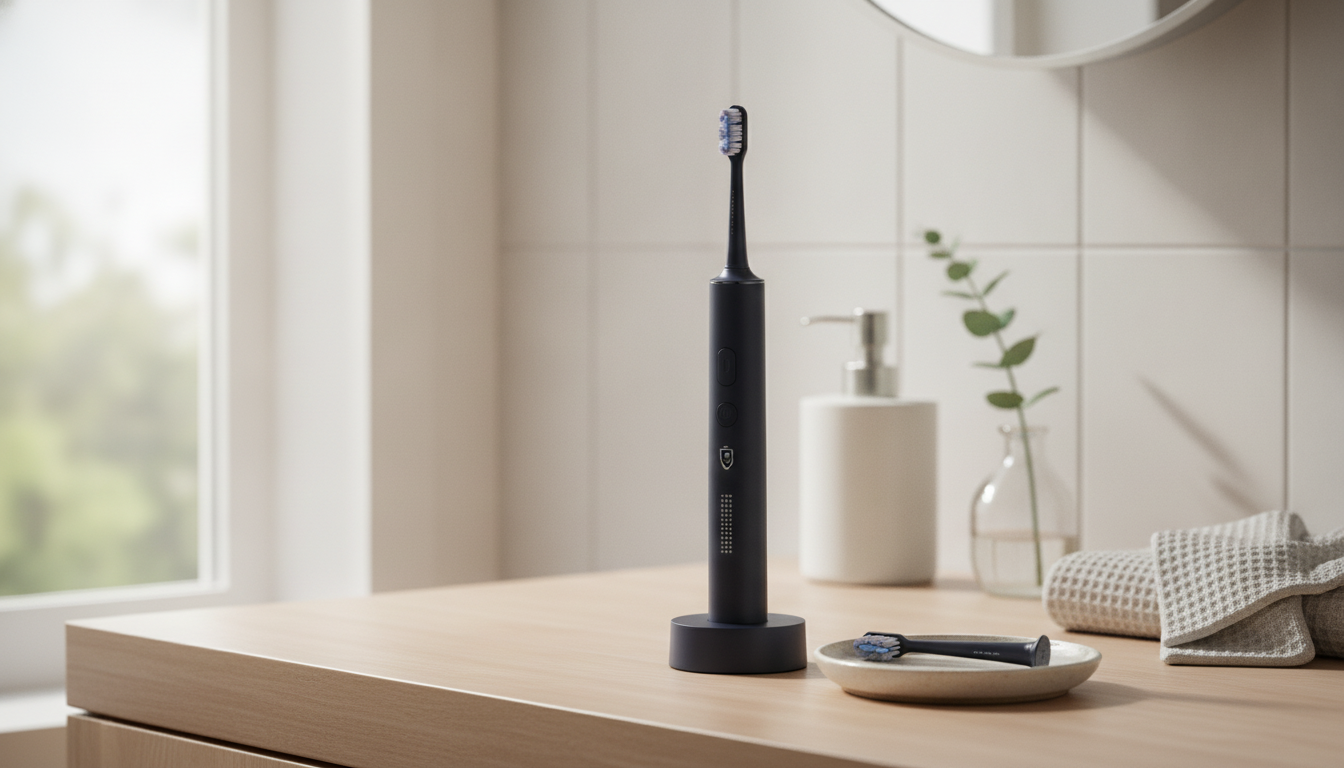
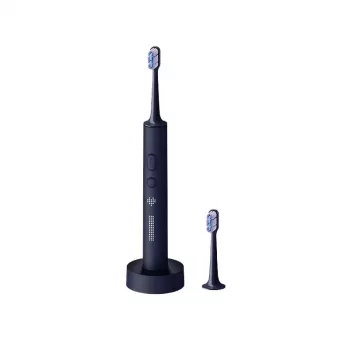
A strong daily brushing routine comes down to repeatable technique, comfortable handling, and feedback you can actually use. The Advanced Sonic Electric Toothbrush with Ultrasonic Cleaning & LED Display combines high-frequency brushing action with an on-handle LED display, helping support thorough plaque removal while keeping your routine simple and easy to track. For more guidance, see The Effect of Different Electric Toothbrush Technologies on … – PMC.
Sonic brushes rely on rapid bristle vibrations to help disrupt plaque along the gumline and around the edges of each tooth—areas that are easy to skim past with a manual brush. With high-frequency motion, the toothpaste-and-saliva mixture can also move more dynamically around tooth surfaces, supporting broader coverage as you guide the brush slowly. For further reading, see The Efficacy of Powered Oscillating Heads vs. Powered Sonic Action ….
A powered brush can also reduce common technique slip-ups, such as pressing too hard, brushing too briefly, or skipping inner surfaces and back molars. Still, the best results come from patient, methodical passes: move slowly across each quadrant and keep pressure gentle so the bristles can do their job.
For general brushing guidance, the American Dental Association offers straightforward recommendations on brushing time and technique here: American Dental Association — Toothbrushing.
An LED display can remove the guesswork from daily brushing. Instead of relying on memory, you can quickly check brushing status—useful for maintaining a consistent routine when mornings are rushed or nights run late.
Depending on the model’s display functions, the screen can make it easier to monitor time, mode selection, and battery awareness. That visibility helps prevent cutting sessions short and encourages a steady habit: brush for two minutes total, switching areas of the mouth about every 30 seconds for more even coverage.
Day-to-day satisfaction with an electric toothbrush usually comes down to a few practical features:
| Feature | Manual toothbrush | Sonic electric toothbrush |
|---|---|---|
| Motion consistency | Varies with technique and fatigue | Consistent high-frequency movement |
| Timing support | Requires self-timing | Often includes timers/quadrant pacing |
| Pressure control | Easy to press too hard | Better results with light pressure; some models guide pressure |
| Plaque disruption | Good with perfect technique | Helps improve effectiveness for many users |
| Accessibility | May miss back molars/inner surfaces | Easier to maintain slow, guided passes |
To get the most out of a sonic brush, focus less on “scrubbing” and more on positioning and pacing:
Brushing is only one part of a complete routine. Interdental cleaning remains important for tight spaces; see: American Dental Association — Flossing.
Good maintenance protects performance and hygiene:
If you want high-frequency cleaning plus on-handle visibility, the Advanced Sonic Electric Toothbrush with Ultrasonic Cleaning & LED Display is a practical pick for everyday use. It’s priced at $62.51 and is currently in stock.
| Detail | Value |
|---|---|
| Name | Advanced Sonic Electric Toothbrush with Ultrasonic Cleaning & LED Display |
| Price | 62.51 USD |
| Stock status | In stock |
| Primary highlight | High-frequency cleaning with LED display feedback |
Generally yes when used with light pressure and a gentle mode. Start slowly, avoid scrubbing, and consult a dentist if sensitivity persists or gums bleed heavily.
Common guidance is about every 3 months, or sooner if bristles splay, cleaning feels less effective, or after recovering from illness.
No. Powered brushing helps disrupt plaque, but interdental cleaning (floss or interdental brushes) is still recommended for tight spaces.





Leave a comment