-
Shop
- Advanced Technologies
- AI Career Advantage Collection
- AI Skills Mastery 2026 Collection
- Bathroom
- Black Friday
- Business & Wealth
- Car Accessories
- Dating & Social Skills
- Denim
- 7FOR
- AGOLDE
- Antony Morato
- Armani Exchange
- Boss
- Brunello Cucinelli
- Calvin Klein Jeans
- Costume National
- Desigual
- Diesel
- Dolce & Gabbana
- Dsquared²
- Ermanno Scervino
- Fendi
- Gianni Lupo
- Guess Jeans
- Ichi
- Just Cavalli
- Lee
- Levi's
- Liu Jo
- Morgan De Toi
- Mother Denim
- Only
- Pepe Jeans
- Pinko
- Replay
- Valentino
- Vero Moda
- Digital Resources
- AI Skills
- Beauty
- Car Buying & Ownership
- Cozy Feast Collection
- Dating & Social Confidence
- Electronics & Technology
- Financial Education
- Fitness & Exercise Programs
- Halloween Digital Collection
- Home Styling & Organization
- Kitchen & Cooking
- Online Business
- Parenting & Child Development
- Parenting & Family Life
- Personal Style & Fashion
- Pet Lifestyle & Wellness
- Smart Amazon Shopping
- Smart Black Friday Shopping
- Smart Life with AI
- Thanksgiving Digital Collection
- TikTok Growth & Monetization Mastery
- Travel & Adventure
- Travel Planning
- Wellness
- Wellness & Self-Care
- Yoga & Fitness
- Education & Learning
- Family & Home
- Family & Parenting
- Fashion
- Fashion & Beauty
- Fashion Accessories
- Furniture
- Gadgets
- Health & Beauty
- Health & Wellness
- Home & Garden
- Home Decor
- Home Electronics
- Home Supplies
- Kids & Babies
- Kitchen
- Lighting
- Online Business for Beginners
- Patio, Lawn & Garden
- Personal Growth
- Personal Growth & Wellness
- Pet Care
- Pet Supplies
- Pets
- Sport & Outdoors
- Super Deals
- Thanksgiving
- Travel
- Wealth
- Wealth Building
- Budgeting & Saving
- Cryptocurrency Investing
- Debt Management
- Entrepreneurship & Business Growth
- Family Finance & Budgeting
- Financial Independence
- Financial Mindset & Psychology
- Financial Planning
- Frugal Living & Expense Hacks
- Goal Setting
- High-Income Skills
- Investing Basics
- Leadership
- Networking & Mentorship
- Passive Income Strategies
- Real Estate Investing
- Side Hustles
- Stock Market Investing
High-Speed Metal Baitcasting Reel: Fast Pickup, Solid Frame
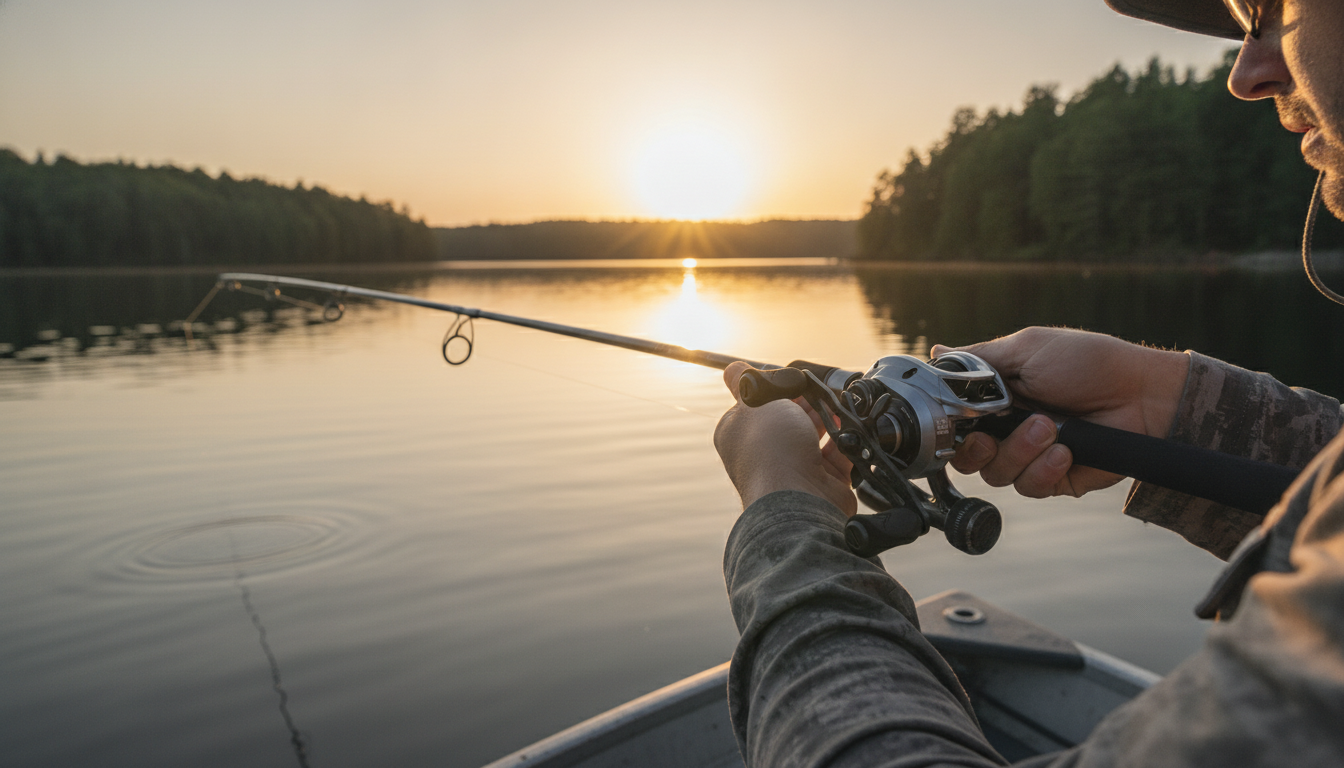
High Speed Metal Baitcasting Reel for Fast Retrieves and Confident Hooksets
A high-speed baitcasting reel helps pick up slack quickly, keep pressure on hard-running fish, and work fast-moving lures with better control. If you’re pitching to tight cover, walking a frog across mats, or burning a bait to trigger reaction strikes, retrieve speed can be the difference between staying connected and coming up empty. Below is a practical breakdown of what to look for in a metal-bodied high-speed reel, when it shines on the water, and how to set it up for smooth casting and reliable drag performance.
What “high speed” means on a baitcasting reel
On baitcasters, “high speed” usually points to a higher gear ratio (often around 7:1 and up), but the more useful number is inches-per-turn (IPT). IPT tells you how much line comes in with one handle turn—and it changes based on spool diameter and how full the spool is.
- Gear ratio vs. IPT: Two reels can share the same gear ratio yet retrieve different amounts of line if their spools differ in size. IPT also drops as line level gets lower during a long cast.
- When fast pickup matters most: Buzzbaits, frogs, pitching/flipping, and any scenario where a fish bites and rockets toward you—especially near the boat.
- Torque tradeoff: Faster reels can feel less “winchy” with high-resistance baits. Pairing the reel with the right rod action and choosing appropriate lure sizes helps offset this.
Why a metal frame and side plates matter
High retrieve speed is only half the story. Under hard hooksets and heavy load, a rigid frame helps the reel feel smooth and stay consistent over time.
- Rigidity and gear alignment: A metal body reduces flex under pressure, keeping gears aligned for steadier power transfer and a smoother feel.
- Drag stability: Reduced frame flex can help the drag apply pressure more consistently as a fish surges.
- Durability for frequent use: Metal construction generally handles bumps, boat rash, and repetitive casting better than softer materials.
- Weight considerations: Metal reels can run slightly heavier. A balanced rod (and a handle/knob combo that fits your grip) helps reduce fatigue on long days.
Quick comparison: high-speed vs moderate-speed baitcasters
Use reel speed like a tool. If a bait pulls hard all the way back, a moderate-speed reel often feels more comfortable. If slack line shows up quickly—or you need to reset fast—high speed usually wins.
Choosing a retrieve speed by technique
| Technique / Lure | Retrieve Need | Suggested Reel Speed | Why it helps |
|---|---|---|---|
| Frogs / heavy cover | Fast line pickup | High speed | Keeps pressure when fish runs toward you and helps pull fish from cover |
| Jigs / Texas rigs (pitching/flipping) | Slack management | High speed | Quickly gathers slack before the hookset |
| Spinnerbaits / swim jigs | Steady retrieve | Moderate to high | Moderate for torque; high for speed changes and quick recasts |
| Deep-diving crankbaits | High resistance | Moderate | More comfortable torque and less fatigue over long retrieves |
| Topwater walking baits | Controlled pickup | Moderate to high | Helps keep cadence while maintaining the right amount of slack |
Key features to evaluate before buying
When comparing high-speed baitcasters, focus on the features that affect real-world casting control and fish-fighting consistency.
For general tackle fundamentals (and how rod, reel, and line work together), Take Me Fishing’s rod and reel basics is a helpful reference. For line standards and classes, the International Game Fish Association (IGFA) is a widely recognized authority.
How to set up a high-speed baitcaster for fewer backlashes
Where a high-speed metal reel earns its keep
Product spotlight: High Speed Metal Baitcasting Reel
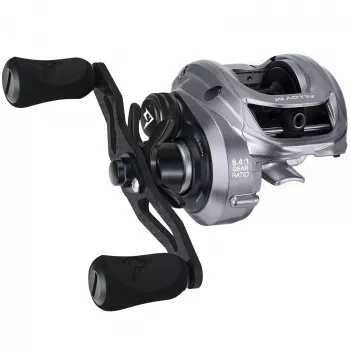
If you’re looking to add speed without jumping into premium price tiers, the High Speed Metal Baitcasting Reel is built around metal construction for rigidity and durability during hard hooksets and fish-fighting pressure. Its fast retrieve is geared for slack-line management, quick recasts, and keeping pace with moving presentations. Check current availability, pricing, and photos on the product page.
Optional add-on for organization
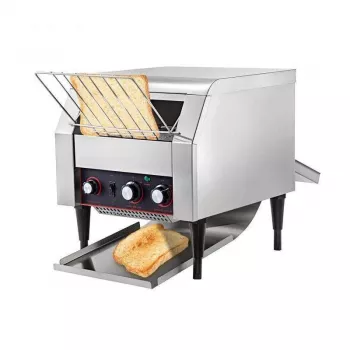
For anglers who like keeping terminal tackle, split rings, and small tools in one place at home or on the boat, the Luxury 12-Inch Stainless Steel Decorative Tray for Home, Kitchen & Countertop can double as a simple staging tray for rigging sessions and quick grab-and-go organization.
FAQ
Is a high-speed baitcasting reel better for beginners?
It can be, as long as the braking system is easy to tune and the reel is set up conservatively at first. Start with higher brake settings, use a manageable line diameter, and focus on smooth casts and thumb control rather than max distance.
What line works best on a high-speed baitcaster?
Match line to technique: braid for frogs and heavy cover, fluorocarbon for jigs and many moving baits where sensitivity helps, and monofilament for topwater. Slightly thicker line is generally more forgiving when dialing in backlash control on a fast spool.
When should a moderate-speed reel be chosen instead?
Choose moderate speed for high-resistance lures like deep-diving crankbaits and big bladed baits, especially on long retrieves. The added torque and reduced fatigue make it easier to keep a steady cadence and fish efficiently all day.
Recommended for you

Was this article helpful?
Yes
No




Leave a comment