Bike Tail Light with Number Display: Buying & Setup Tips
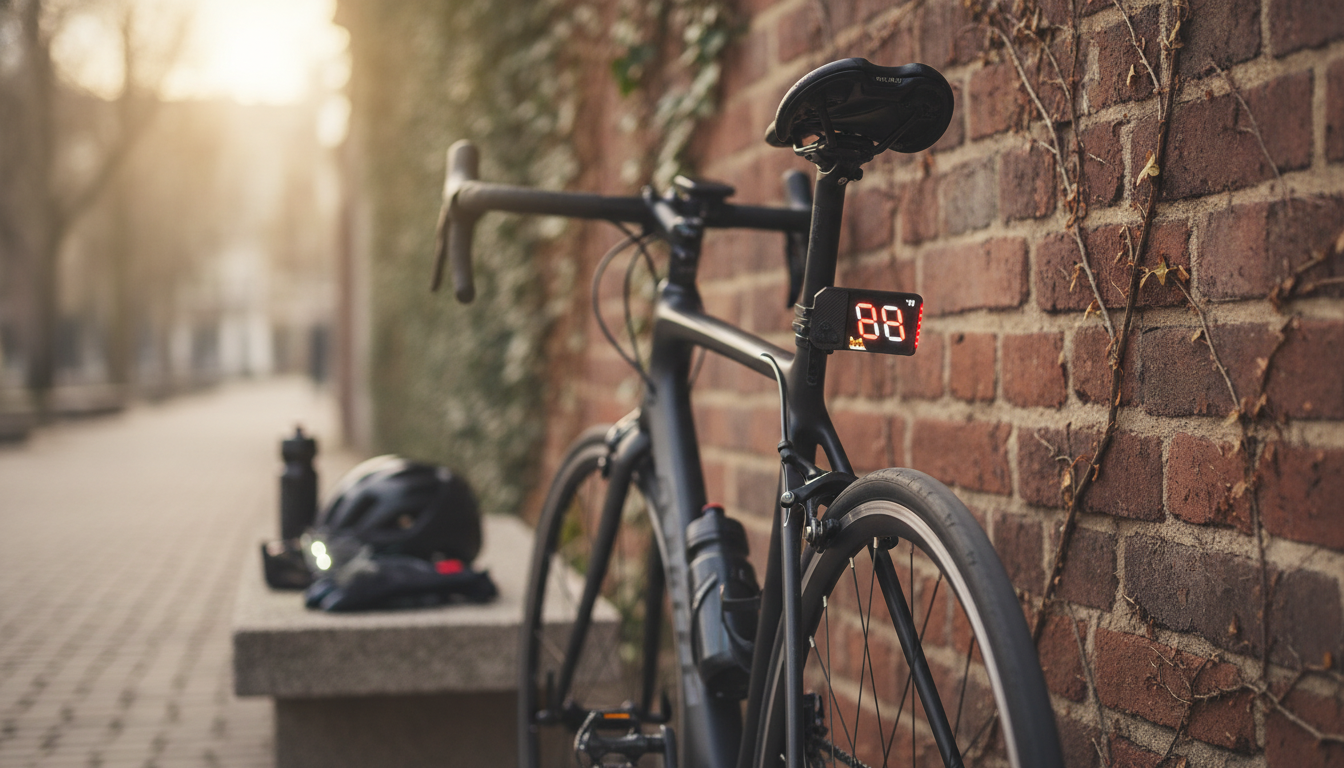
Bike Tail Light with Number Display: More Than Just a Blinking Red Light
A rear light that also shows a number display adds another layer of visibility beyond standard blinking LEDs. The illuminated digits can act like a “second signal” that helps your bike stand out in traffic, especially in busy areas where a typical red blinker can blend into a sea of tail lamps and streetlights. Below is a practical guide to what the number display is good for, what to check before buying, and how to set it up so it stays readable and reliable for night rides and daytime commutes.
What the Number Display Adds (Beyond a Standard Rear Light)
A number display tail light combines two ideas: a bright rear beacon for safety and a legible visual identifier for recognition.
- Extra visual cue for approaching traffic: a bright, crisp number panel can be easier to notice than a familiar red blink pattern—especially when the digits have strong contrast and don’t “wash out” while flashing.
- Practical uses: club/team identification on group rides, event numbers, a delivery rider ID, or simple personalization that makes it easier for friends to spot you.
- Where it helps most: urban streets packed with lights, mixed-traffic commuting, and group rides where quick recognition reduces confusion at turns and regroup points.
- What it does not replace: reflectors, smart lane positioning, and a properly aimed, sufficiently bright tail light. The display is an add-on—not a substitute for core visibility habits.
Key Features to Check Before Buying
Not all tail lights with displays perform the same once they’re rattling over pavement seams or bouncing on a rough bike path. These checkpoints keep you focused on real-world visibility and day-to-day convenience.
- Visibility: look for a lens and LED design that throws light outward (not just straight back). If daytime riding is common, prioritize modes and output that remain noticeable in bright conditions.
- Display readability: digit size and contrast matter as much as brightness. The best displays stay legible during vibration and motion, not only when the bike is parked.
- Lighting modes: steady plus multiple flash patterns gives flexibility. A “moderate” flash can be the sweet spot when you want attention without draining the battery quickly.
- Power and charging: rechargeable batteries reduce hassle. Check the port type, expected charge time, and whether there’s a low-battery indication so you’re not surprised mid-ride.
- Mounting system: confirm compatibility with round and aero seatposts (or a rear rack). Tool-free install is great—stability is essential.
- Weather resistance: rain happens. Sealed buttons and protected charging ports keep the light dependable in road spray.
- Ease of operation: glove-friendly buttons and simple mode switching are underrated—especially on winter commutes or when you need to change modes at a stoplight.
Setup and Installation Tips
Even a bright tail light loses effectiveness if it’s pointed at the ground or shifts during braking. A few minutes of setup can make a big difference.
Choosing the Right Mode for Different Rides
Safety Notes and Best Practices
For broader bike safety guidance, see the NHTSA bicycle safety page and the CDC bicycle safety resource hub.
Care, Charging, and Weather Use
At-a-Glance Specs and Buying Checklist
| Item | What to Verify | Why It Matters |
|---|---|---|
| Mount type | Seatpost/rack compatibility; secure strap or clamp | Prevents rotation and keeps the beam aimed correctly |
| Display visibility | Digit size and contrast; readable at distance | Improves recognition and attention from behind |
| Lighting modes | Steady + multiple flash options | Adapts to daytime, nighttime, and group riding |
| Charging | Rechargeable battery; convenient port and cover | Reduces operating cost and encourages consistent use |
| Weather resistance | Sealed body/port cover | Reliability in rain and road spray |
| Size/weight | Compact profile that doesn’t interfere with bags | Better fit for commuters and touring setups |
Product Option
Bike Tail Light with Number Display is designed to combine a bright tail lamp with an easy-to-spot number display for added visibility and identification. It’s a practical pick for commuters, delivery riders, group ride identification, and anyone who wants a rear signal that stands out.
More In-Stock Store Picks
- Luxury 12-Inch Stainless Steel Decorative Tray for Home, Kitchen & Countertop
- Wooden Dollhouse with 28 Furniture Pieces for 3.3” Dolls – Educational Toy for Kids 3+
- Women’s Retro Brogue Leather Pumps with Thick Heels
FAQ
Is a flashing rear light better than a steady rear light?
Flashing modes often grab attention better in daylight and heavy traffic, while steady (or a gentle pulse) can be easier for others to track at night. A good approach is to choose the mode that fits the conditions and avoid harsh strobe patterns when riding in a close group.
Where should a rear light be mounted for the best visibility?
Mount it centered and as high as practical on the seatpost or rear rack, aimed level toward traffic behind you. Make sure it isn’t blocked by bags or clothing and that it doesn’t tilt downward as you ride.
Can the number display be used for identification in group rides or events?
Yes—many riders use the digits for team numbers, rider IDs, or event identification so they’re easier to recognize from behind. Keep the digits large and clear, and consider using a calmer light mode in groups so riders behind aren’t distracted.














Leave a comment