-
Shop
- Advanced Technologies
- AI Career Advantage Collection
- AI Skills Mastery 2026 Collection
- Bathroom
- Black Friday
- Business & Wealth
- Car Accessories
- Dating & Social Skills
- Denim
- 7FOR
- AGOLDE
- Antony Morato
- Armani Exchange
- Boss
- Brunello Cucinelli
- Calvin Klein Jeans
- Costume National
- Desigual
- Diesel
- Dolce & Gabbana
- Dsquared²
- Ermanno Scervino
- Fendi
- Gianni Lupo
- Guess Jeans
- Ichi
- Just Cavalli
- Lee
- Levi's
- Liu Jo
- Morgan De Toi
- Mother Denim
- Only
- Pepe Jeans
- Pinko
- Replay
- Valentino
- Vero Moda
- Digital Resources
- AI Skills
- Beauty
- Car Buying & Ownership
- Cozy Feast Collection
- Dating & Social Confidence
- Electronics & Technology
- Financial Education
- Fitness & Exercise Programs
- Halloween Digital Collection
- Home Styling & Organization
- Kitchen & Cooking
- Online Business
- Parenting & Child Development
- Parenting & Family Life
- Personal Style & Fashion
- Pet Lifestyle & Wellness
- Smart Amazon Shopping
- Smart Black Friday Shopping
- Smart Life with AI
- Thanksgiving Digital Collection
- TikTok Growth & Monetization Mastery
- Travel & Adventure
- Travel Planning
- Wellness
- Wellness & Self-Care
- Yoga & Fitness
- Education & Learning
- Family & Home
- Family & Parenting
- Fashion
- Fashion & Beauty
- Fashion Accessories
- Furniture
- Gadgets
- Health & Beauty
- Health & Wellness
- Home & Garden
- Home Decor
- Home Electronics
- Home Supplies
- Kids & Babies
- Kitchen
- Lighting
- Online Business for Beginners
- Patio, Lawn & Garden
- Personal Growth
- Personal Growth & Wellness
- Pet Care
- Pet Supplies
- Pets
- Sport & Outdoors
- Super Deals
- Thanksgiving
- Travel
- Wealth
- Wealth Building
- Budgeting & Saving
- Cryptocurrency Investing
- Debt Management
- Entrepreneurship & Business Growth
- Family Finance & Budgeting
- Financial Independence
- Financial Mindset & Psychology
- Financial Planning
- Frugal Living & Expense Hacks
- Goal Setting
- High-Income Skills
- Investing Basics
- Leadership
- Networking & Mentorship
- Passive Income Strategies
- Real Estate Investing
- Side Hustles
- Stock Market Investing
Outdoor Natural Gas Tankless Water Heater Planning Guide
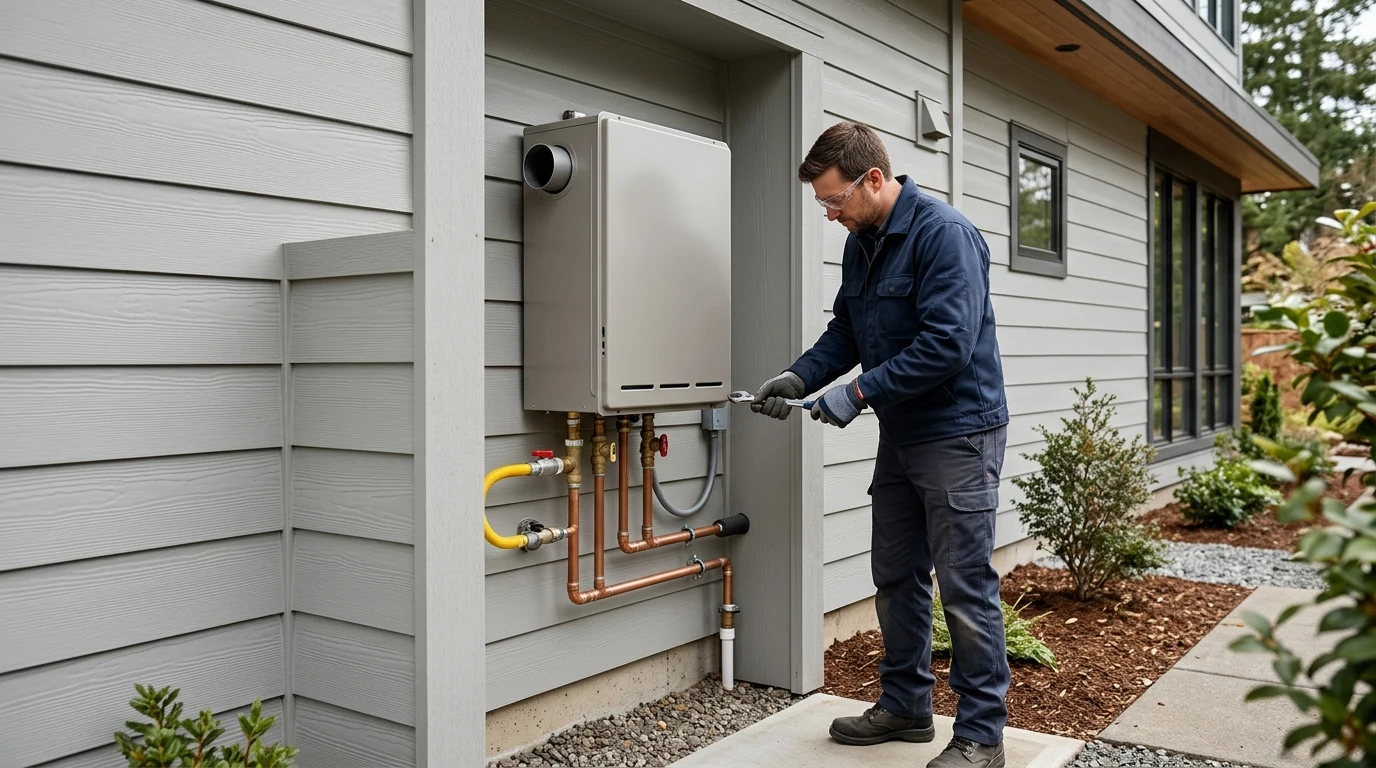
An outdoor natural gas tankless water heater can be a practical option when you’re planning a home’s hot water system and have a suitable outdoor installation location. The right fit depends on more than where the unit will go: your household’s simultaneous demand, local climate, gas supply, and installation requirements all matter. For more guidance, see Tankless Gas Water Heater Performance | Building America Top ….
We recommend discussing those details with a qualified installer before you buy. A little planning can help you choose equipment that suits your home and prepare for everyday use and maintenance. For further reading, see Tankless Water Heaters | AHRI.
A practical option for outdoor hot water
Our Outdoor Natural Gas Tankless Water Heater is an option to consider for an outdoor natural gas installation. Tankless water heaters heat water as it flows through the unit rather than storing a tankful of hot water. When you need hot water, the heater operates to warm the water passing through it.
The current price is $876.49. Pricing and availability may change, so confirm both when you’re ready to order. Before choosing a unit, make sure its capacity matches the fixtures and appliances you expect to use together.
If your project also includes a bathroom update, our Golden Ceramic Round Bathroom Sink is another in-stock option to explore. Include the sink’s faucet in your hot water planning, especially if it may be used while someone is showering or running an appliance.
Check your household’s hot water needs
Start by listing the hot water fixtures and appliances that may operate at the same time. A household with two showers running together has different requirements from one that generally uses a single faucet at a time. Also consider routines that overlap, such as a morning shower while the dishwasher or washing machine is running.
Incoming water temperature is another part of the calculation. Your heater must raise that water to your desired output temperature, and colder incoming water requires a greater temperature rise. Ask your installer to compare your expected simultaneous demand and required temperature rise with the unit’s capacity before you purchase.
The U.S. Department of Energy’s water heater sizing guide offers additional background on estimating demand. Use the checklist below to prepare for your installer’s visit.
| Consideration | What to check |
|---|---|
| Simultaneous use | List showers, faucets, and appliances that may run together. |
| Water temperature | Consider local incoming water temperature and the desired output temperature. |
| Fuel supply | Have a qualified professional assess the natural gas supply. |
| Outdoor location | Confirm placement, clearances, and weather protection requirements. |
Bring your list to the consultation and mention any planned additions, such as another bathroom. Your installer can help you decide whether to size for current use alone or account for a foreseeable change. The goal is to understand the unit’s limits before installation, not discover a mismatch after the work is finished.
Plan the outdoor installation
Choose a qualified installer to assess the gas piping, water connections, applicable local codes, and manufacturer requirements. The existing natural gas supply and piping should be evaluated for the heater and other gas appliances in the home. Your installer can also identify permits or inspections that may be required locally.
Outdoor placement must follow the unit’s instructions for clearances and exhaust discharge. Discuss the proposed location with your installer before arranging other work around it. The area should allow the required separation from nearby features and provide access for service without obstructing the exhaust.
Weather deserves attention, too. Ask what freeze protection is needed for your climate, including precautions for the water lines and the heater itself. Do not assume that a particular unit has built-in freeze protection or that any built-in feature eliminates the need for other measures. The installer can explain suitable placement and precautions based on the product instructions and local conditions.
The U.S. Department of Energy’s tankless water heater guide provides more information about installation and operation.
Prepare for ongoing care
Follow the manufacturer’s maintenance schedule and ask your installer what servicing the unit will need. It’s useful to discuss how to access the heater, who to call for service, and whether your installation should include provisions that make routine maintenance easier.
Water hardness can affect maintenance needs because minerals may accumulate in equipment over time. Local water conditions should guide decisions about treatment and cleaning, so ask your installer or a qualified water professional what is appropriate for your home. Avoid selecting a treatment solely on the assumption that every household needs the same solution.
When you’re ready to compare the details with your installer’s recommendations, visit our Outdoor Natural Gas Tankless Water Heater page to check current availability and product information. Our team wants you to have the information you need to plan a suitable installation.
FAQ
How do I size a tankless water heater for my home?
Estimate the fixtures and appliances that may need hot water at the same time, along with the temperature rise needed from incoming water to your desired output. Confirm the unit’s capacity against those needs with a qualified installer.
Does an outdoor tankless water heater need freeze protection?
Freeze protection needs depend on your climate and the product instructions. Ask an installer about suitable placement and precautions for the heater and water lines.
Can I install a natural gas tankless water heater myself?
We recommend using a qualified professional for gas and water connections, code compliance, and safe installation. Your installer can also advise you about local permits and inspections.
Recommended for you

Was this article helpful?
Yes
No



Leave a comment